Protein Treatments for Curly Hair


- Key Takeaways:
- A protein treatment temporarily reinforces the hair’s structure by depositing protein that fills gaps in the cuticle, adding strength and helping curls hold their shape.
- Curly hair is naturally more vulnerable to breakage because it has more stress points at each bend and a raised cuticle, which is why protein helps, but only in the right amount.
- Protein and moisture must stay balanced: too much protein causes stiffness and snapping, while too much moisture leaves curls limp and undefined. The two work as a pair, not a contest.
- Use Instacure for protein and bond support, then balance it with moisture from Food For Soft and curl-specific definition from A Curl Can Dream.
- If curls feel off no matter what you do, a professional in-salon assessment can read the protein-moisture balance and reset the routine.
Quick Answer
Curly hair needs protein to maintain its structure, but too much makes curls stiff and brittle. The goal is balance: use protein to address breakage and limpness, follow every protein treatment with moisture, and read your curls to adjust. Stiff, snapping curls signal protein overload; limp, mushy curls signal too little.
Protein gets recommended to curly-haired people for everything: breakage, frizz, limpness, definition. So they use more, and the curls turn stiff, straw-like, and snap at the slightest tension. That is not a sign to add more protein. It is the opposite.
Curly hair needs protein, but it needs it in balance with moisture. Get the ratio right and curls are strong and springy. Get it wrong in either direction and they either stretch out limp or break off brittle. Here is how to find the balance.
What Protein Does for Curls
A protein treatment is a formula that deposits protein onto and into the strand to temporarily fill gaps in the cuticle, reinforcing structure and helping weakened or limp curls hold their shape.
Curly hair relies on its internal structure to form and keep its pattern. When that structure is weakened by color, heat, or everyday wear, curls lose spring, stretch out, and break more easily. Protein steps in to reinforce the fiber, which is why it can make a real difference for curls that have gone limp or are snapping. The catch is that protein is reinforcement, not nourishment: it makes hair stronger and stiffer, and stiffness without moisture becomes brittleness.
Why Curly Hair Is More Prone to Breakage
Curly hair breaks more easily than straight hair because every bend in the curl is a stress point and the cuticle is naturally more raised, leaving the strand more exposed.
Three structural traits stack the odds:
- Stress at every bend: each twist in a curl concentrates tension, so breakage and weakening cluster at the curves.
- A naturally raised cuticle:curly strands have scales that lift along each bend, which raises porosity and lets moisture escape faster.
- Faster absorption, faster loss: that porosity means curls take in product and water quickly, but also lose moisture quickly, so they need both reinforcement and sealing..
This is why protein helps curls, and also why protein alone backfires: it addresses the strength side but leaves the moisture side, which curls are also short on, unmet.
How to Tell If You Have Too Much or Too Little Protein
Your curls signal a protein imbalance through how they feel and behave, and reading those signals is more reliable than following a fixed schedule.
Use this to diagnose where you are:
- Too much protein: curls feel stiff, rough, or straw-like, lose their stretch, and snap rather than bend. The fix is to pause protein and add moisture.
- Too little protein: curls feel limp, mushy, or overly soft, stretch out without recovering, and lose definition. The fix is a protein treatment, followed by moisture.
- In balance: curls feel springy and elastic, stretch and bounce back, hold definition, and look shiny rather than dull or crunchy.
Because the two extremes can look similar at a glance, the stretch test helps: gently pull a damp curl. If it snaps quickly, lean moisture. If it stretches far and stays limp, lean protein.
The Balanced Routine
A balanced curl routine alternates and layers protein support with moisture, so curls get reinforced structure and sealed hydration in the right proportion.
The practical rule: never end on protein. Every protein treatment is followed by moisture to keep curls flexible.
Reinforce when curls are limp or breaking
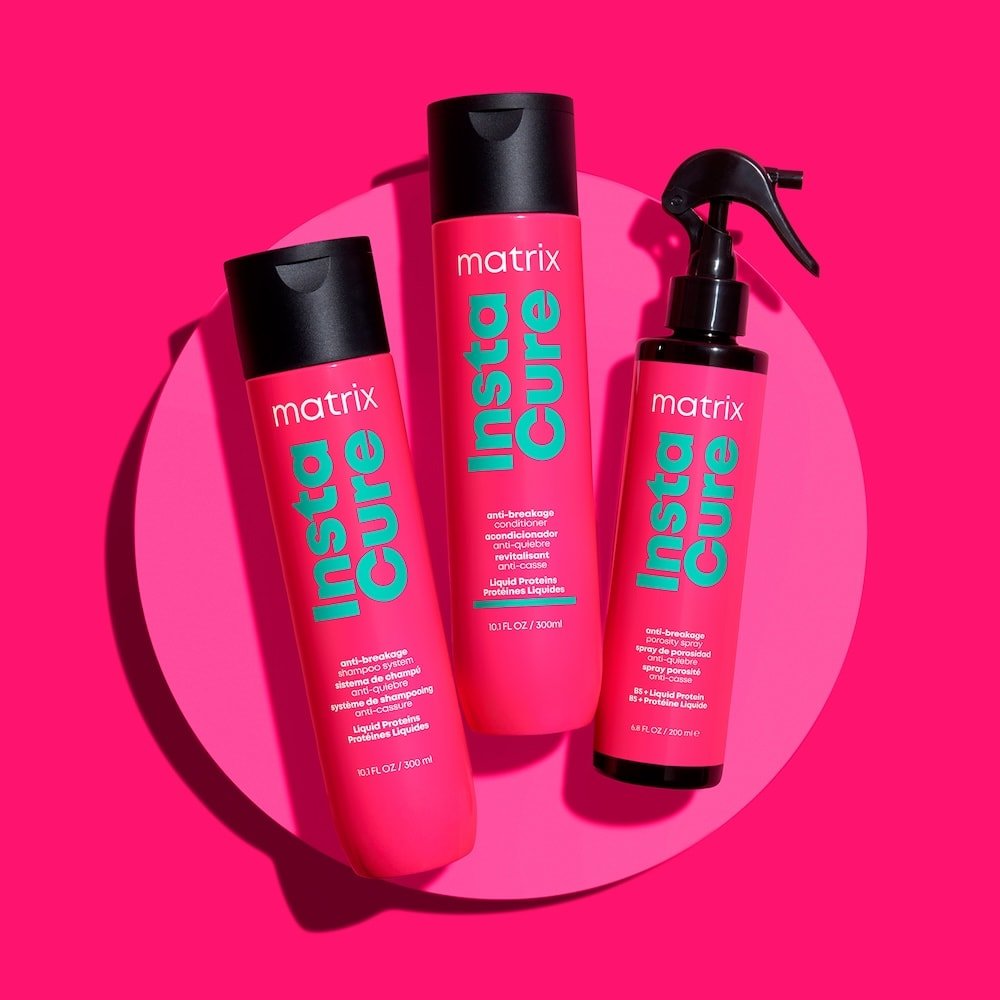
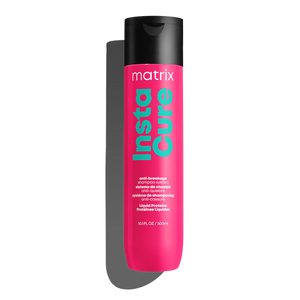
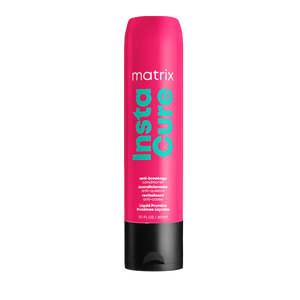
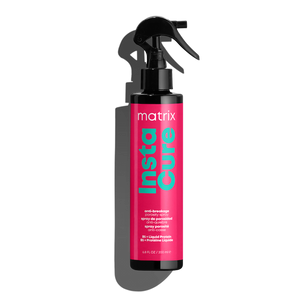
When curls have lost spring, use a repairing system like Instacure to rebuild structure from the inside. Infused with liquid proteins, helps repair strength to reduce breakage in dry, brittle, and damaged hair. Anti-breakage system of shampoo, conditioner and spray fills porosity, creating an even and balanced surface. Work it through damp curls from mid-lengths to ends, focusing on the most weakened sections, then always follow with moisture so the reinforced curls stay flexible rather than stiff.
Hydrate as the daily baseline
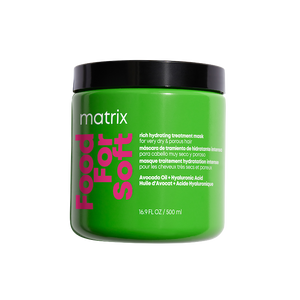
Use the Food For Soft system for lightweight hydration that curls can absorb without buildup, and follow the Instacure protein step above with the Rich Hydrating Treatment Mask to rebalance.
Definition and seal with curl-specific care
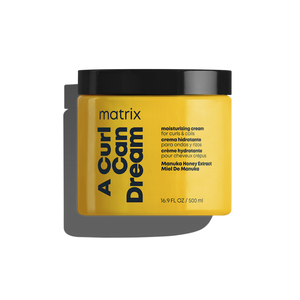
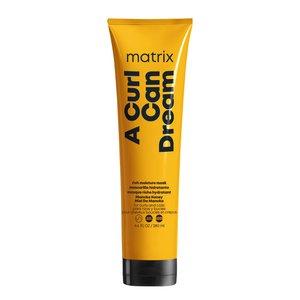
Apply A Curl Can Dream Moisturizing Cream to soaking-wet curls for definition and frizz control, and use the A Curl Can Dream Rich Mask weekly for deep moisture that keeps the pattern springy.
Read and adjust every wash
Let how the curls feel guide the next session: stiff means more moisture, limp means more protein.
Strong, springy curls are not about chasing one product; they are about keeping protein and moisture in balance and reading your hair as it changes. Reinforce when curls go limp, hydrate when they stiffen, and never end on protein, and your curls hold their pattern, their bounce, and their shine wash after wash.
When to Book a Professional Consultation
To discover more about your curls' protein-moisture balance, schedule an appointment with a professional Matrix hair stylist for a one-on-one consultation. Our professional hair stylists will offer tailored advice and expert tips on keeping curls hydrated, strengthened and balanced.
Find a Matrix salon near you to book a professional consultation.
Next: 5 Causes of Frizzy Curly Hair & How to Prevent Them. Prevent frizz by hydrating curls, washing less, protecting from heat, using anti-frizz products, and choosing curl-friendly haircare.