What is Frizzy Hair? Common Causes & Prevention Tips

In this article:
- What is Frizzy Hair?
- What Causes Frizzy Hair?
- How to Manage and Treat Frizzy Hair
- Do's for Managing Frizzy Hair
- Don'ts for Managing Frizzy Hair
Key Takeaways:
- Frizzy hair happens when the hair cuticle is damaged or raised, causing uneven moisture absorption that makes hair dry, rough, and unruly.
- The main causes include dryness from environmental factors, heat styling, chemical treatments, and improper hair care habits.
- Managing frizz focuses on hydration, gentle products, protection from damage, and embracing natural hair texture.
Frizzy hair is a common hair concern experienced by many. But what exactly is frizzy hair, why does it happen, and what can you do about it? This guide will help you understand the basics of frizz and how to tame it for softer, shinier hair.
What is Frizzy Hair?
Frizzy hair is characterized by strands that appear dry, rough, and unruly, often with flyaways that stick out in different directions. It happens when the hair's outer layer, called the cuticle, becomes raised or damaged, causing strands to absorb moisture unevenly from the environment. This uneven moisture absorption causes strands to swell and separate, giving hair a frizzy, fluffy appearance rather than smooth and sleek. Frizz is especially common in hair types that are naturally curly, wavy, or textured, but it can affect all hair types when the hair lacks moisture or is damaged.
What Causes Frizzy Hair?
Frizzy hair occurs when hair strands become dry, damaged, or lack moisture. This causes the hair cuticles—the outer protective layer of each strand—to lift or swell, allowing moisture from the air to penetrate unevenly. The result is hair that looks rough, dry, and prone to flyaways.
Key factors contributing to frizzy hair:
- Environmental stressors like wind, humidity, sun exposure, and pollution and dust.
- Excessive use of blow dryers, flat irons, curling wands, and other heat tools can dry out hair, break down its protein structure, and lift the cuticle layer. Without proper heat protection, repeated exposure to high temperatures causes lasting damage that leaves hair rough and frizzy.
- The hair cuticle works as a protective barrier, sealing in moisture within the hair shaft. When the cuticle is damaged or raised, moisture from the environment is absorbed unevenly. Dry hair, lacking sufficient internal hydration, becomes porous and vulnerable to frizz. This moisture imbalance causes hair strands to swell irregularly, leading to frizziness.
- Coloring, bleaching, perming, and relaxing treatments chemically alter the hair’s structure, raising the cuticle and stripping away protective oils. This makes hair porous and prone to moisture loss, increasing the risk of frizz. These treatments may also weaken hair strands, making them more fragile and prone to breakage.
- Naturally curly, wavy, or textured hair is more prone to frizz because of its uneven surface and the way cuticles lie differently than in straight hair. Curly hair tends to be drier because natural scalp oils have a harder time traveling down the twists and turns of the strands. Fine or coarse hair types can also influence how moisture is retained and how frizz manifests.
How to Manage and Treat Frizzy Hair
The best way to combat frizz is by focusing on hydration and moisture balance. When hair is well-moisturized, cuticles smooth down and hair appears soft, shiny, and manageable.
Here are some expert tips for managing frizzy hair:
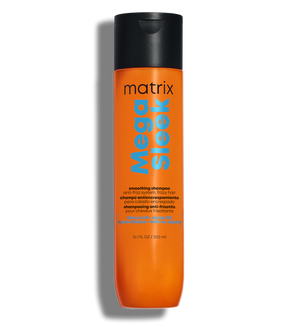
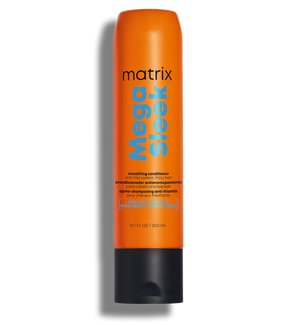
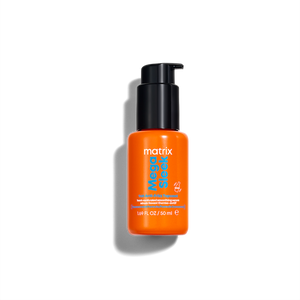
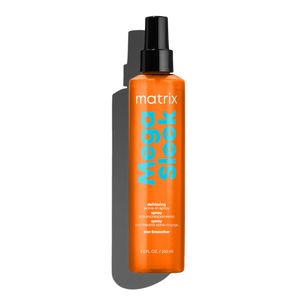
- Use smoothing hair care products: Choose shampoos, conditioners, masks, and oils specially formulated to provide hydration and smoothness. Using a complete system of Matrix Mega Sleek products can reduce frizz and keep hair soft. This smoothing system reduces frizz and provides humidity protection and seals the cuticle with shea butter for enhanced manageability.
- Avoid overwashing: Washing hair too frequently strips away natural oils that keep hair moisturized and protected. Overwashing leads to dryness, which exacerbates frizz. Aim to wash your hair only as often as necessary to keep it clean without over-drying it.
- Protect Hair From Heat and Environmental Damage: Harsh shampoos strips natural oils, leading to dryness. Opt for gentle, moisturizing formulas such as Matrix Mega Sleek Shampoo with smoothing shea butter helps control rebellious, unruly hair and manages frizz against humidity for smoothness.
- Protect Hair from Heat and Environmental Damage: Wear hats or use UV protectant sprays in the sun to shield hair from environmental stressors. Use heat protectants before blow-drying or styling to prevent frizz caused by heat damage, such as Matrix Mega Sleek 96H Anti-Frizz Top Coat - frizz-eliminating serum to defy humidity with heat-activated hydrophobic seal.
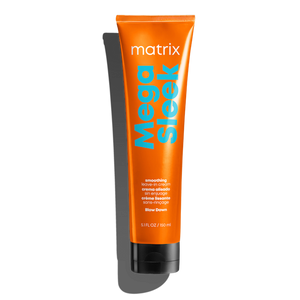
- Apply Styling Products on Damp Hair: Use leave-in conditioners, creams, serums, or oils on damp hair to lock in moisture and smooth the cuticle. For instance, Matrix Mega Sleek Blow Down leave-in cream with shea butter smooths hair instantly and protects against heat.
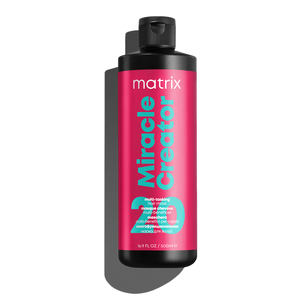
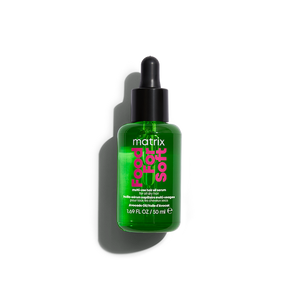
- Maintain a Healthy Hair Care Routine: Regular deep conditioning treatments or hair masks replenish moisture and repair damage, such as the Matrix Miracle Creator Multi-Tasking Hair Mask - helps to repair damaged hair with a formula intensely nourishes, revitalizes and strengthens hair in just 60 seconds. Using a lightweight, multi-use hair oil can add softness, reduce flyaways, and boost shine without weighing hair down such as the Matrix Food For Soft Multi-Use Hair Oil Serum - Serum and leave in treatment to provide smoother, softer hair with heat protection.
Do's for Managing Frizzy Hair
- Hydrate Your Hair Thoroughly: Frizz usually signals dryness, so moisturizing is key. Use haircare products like shampoos, conditioners, and leave-in treatments that are rich in hydrating ingredients such as avocado oil, argan oil, or shea butter.
- Use Gentle Cleansing Products: Choose sulfate-free shampoos and conditioners that clean without stripping natural oils. Avoid over-washing your hair to preserve its natural moisture barrier.
- Always Condition Your Hair:Conditioners add essential moisture to combat frizz. For fine hair, go for lightweight formulas. Apply conditioner mainly on mid-lengths and ends, and use a wide-tooth comb in the shower to distribute the product evenly. Let it penetrate for 3-4 minutes for best results.
- Deep Condition Weekly: A weekly deep-conditioning hair mask keeps your strands deeply moisturized and supple, reducing frizz and brittleness.
- Blot, Don’t Rub Your Hair Dry: After washing, gently pat your hair dry with a microfiber towel or an old cotton t-shirt instead of rubbing it. Rubbing causes friction, which lifts the hair cuticle and leads to frizz.
- Protect Your Hair from Heat and Humidity:If blow drying, use a diffuser attachment on a low heat setting to disperse heat gently. Always apply heat protection sprays before heat styling. For humidity, use products with humidity-resistant ingredients like shea butter to create a barrier against moisture in the air.
- Embrace Your Natural Texture:Instead of chasing overly smooth perfection, celebrate your hair’s natural look. Use curl refining lotions for curls or light smoothing products for waves.
- Rinse with Cool Water: Finish your wash with a cool or lukewarm water rinse to help seal the hair cuticle, which locks in moisture and adds a healthy shine.
Don'ts for Managing Frizzy Hair
- Don't Skip Conditioner: Conditioning is vital because it replenishes moisture and smooths hair cuticles, which prevents frizz.
- Don't Rub Your Hair Vigorously with Towel: This rough drying swells the cuticle and causes frizz. Always blot gently instead.
- Limit Heat Styling: Excessive use of blow dryers, straightening irons, and curling wands damages your hair cuticle. When you do use heat tools, keep them on the lowest setting possible and always use heat protectants.
- Don’t Use Hot Water for Washing Hair: Hot water strips away natural oils and causes dryness. Opt for lukewarm water for washing and cold water for the final rinse.
- Avoid Brushing Wet Hair Aggressively:Wet hair is more prone to breakage. Detangle gently with a wide-tooth comb or soft brush starting from the ends.
- Don’t Overwash Your Hair: Washing hair too frequently can strip natural oils, leading to dryness and frizz.