How Often Should You Deep Condition? A Guide by Hair Type

- Key Takeaways:
- Deep conditioning is an intensive treatment left on for several minutes so concentrated moisture and conditioning agents penetrate the strand, going further than a daily rinse-out conditioner.
- The right frequency depends on your hair: dryness level, damage, porosity, and texture all shift how often the hair needs an intensive treatment.
- More is not better. Over-conditioning leaves hair limp, mushy, and weighed down, while under-conditioning leaves it rough and brittle. The goal is the cadence that keeps hair springy and soft.
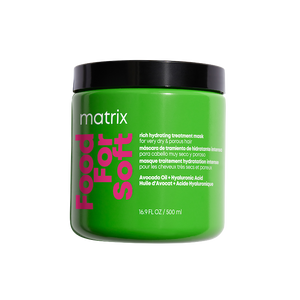
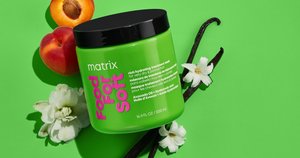
- For most dry hair, Food For Soft Rich Hydrating Treatment Mask once a week delivers deep hydration with hyaluronic acid and avocado oil; very dry hair can go twice weekly.
- If you cannot find a cadence that works, a professional in-salon treatment can reset the hair and tell you what frequency it actually needs.
Quick Answer
Most dry hair benefits from deep conditioning once a week, but the right cadence ranges from twice weekly for very dry, damaged, or high-porosity hair to every two weeks for hair that is only mildly dry. Read how your hair responds and adjust: limp, mushy hair means cut back; rough, dry hair means add a session.
Deep conditioning is the step that separates hair that looks dry from hair that looks healthy. But the frequency advice is all over the place: once a week, every wash, twice a month. The right answer is not universal, because it depends on how dry, damaged, and porous your hair is.
This guide gives you a starting cadence by hair type, the signs you are doing it too often or not enough, and how to adjust. Because yes, you can over-condition, and it has its own set of problems.
What Deep Conditioning Actually Does
Deep conditioning is an intensive treatment left on for several minutes so that concentrated humectants and emollients penetrate beyond the surface and restore moisture the strand has lost.
A daily conditioner works in the minute or two it is on the hair, smoothing the cuticle and adding light moisture. A deep conditioning mask is richer and stays on longer, which gives its ingredients time to move past the surface and into the strand. For dry hair, that depth is the point: surface conditioning fades by the next day, while a deep treatment restores a reserve the hair can draw on between washes.
Your Cadence by Hair Type
The right deep-conditioning frequency starts from your hair’s dryness, damage, and porosity, then gets fine-tuned by how the hair responds.
Use this as a starting matrix, not a fixed rule:
Is Your Hair Over-Conditioned? Here’s How to Tell
Your hair tells you whether the cadence is right through how it feels and behaves, which is more reliable than any fixed schedule.
- Too often: hair feels limp, mushy, overly soft, or weighed down, lacks bounce, and may look greasy at the roots even when clean. Cut back a session and lighten application.
- Not enough:hair feels rough, dry, and brittle, tangles easily, and looks dull. Add a session or apply more thoroughly to the driest sections.
- Just right: hair feels soft but springy, holds moisture between washes, detangles easily, and looks shiny rather than flat or frizzy.
Over-conditioning is real and often mistaken for needing more product. If hair feels mushy and limp, the answer is less conditioning and, if it persists, a clarifying wash to remove buildup, not another mask.
How to Get the Most From Every Treatment
A deep conditioning session works best when you prep the hair, apply where it is needed, and give the treatment time and the right conditions to penetrate.
Apply Food For Soft Rich Hydrating Treatment Mask to clean, damp (not dripping) hair from mid-lengths to ends, skipping the roots. The hyaluronic acid and avocado oil formula needs contact with the strand, so squeeze out excess water first so it does not dilute the treatment.
- Leave it on for the recommended few minutes; longer is not stronger, and the strand absorbs what it can in that window.
- Add gentle heat for low-porosity or very dry hair: a warm towel or cap helps open the cuticle so the mask penetrates instead of sitting on top.
- Rinse with cool water to seal the cuticle and lock the moisture in.
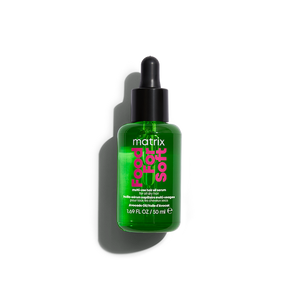
Seal afterward with a few drops of Food For Soft Multi-Use Hair Oil Serum on damp ends to hold the hydration in until the next wash.
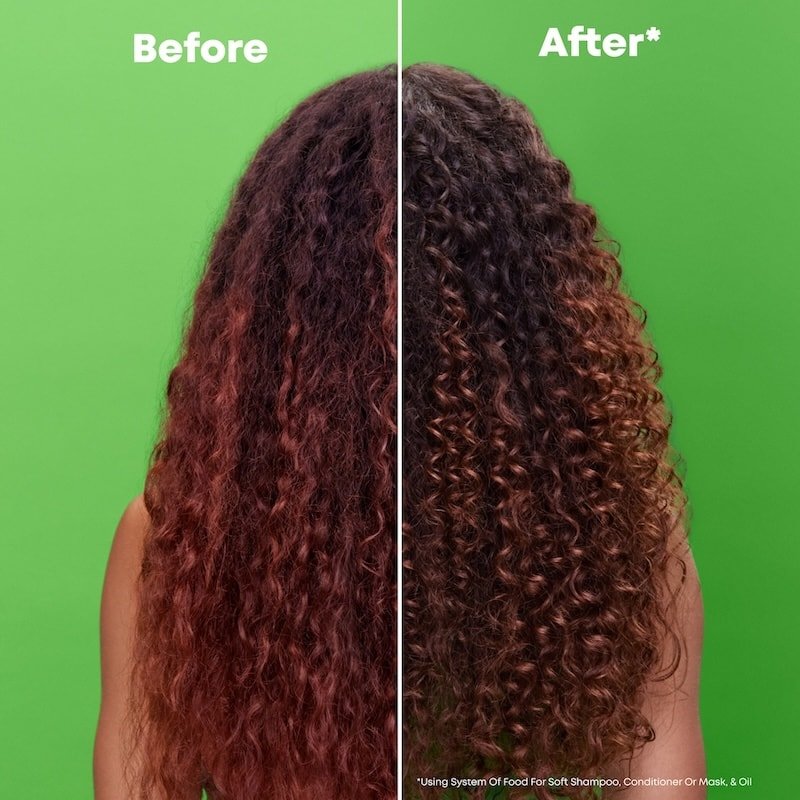
Deep conditioning is not about doing more; it is about doing it at the right rhythm for your hair. Start from the cadence that matches your type, watch for the signs of too much or too little, and adjust as your hair changes. Get that rhythm right and every treatment lands, so your hair stays soft and balanced instead of swinging between dry and weighed down.
When to Book a Professional Consultation
To discover more about deep conditioning hair, schedule an appointment with a professional Matrix hair stylist for a one-on-one consultation. Our professional hair stylists will offer tailored advice and expert tips on the best deep conditioning routine for every hair type.
Find a Matrix salon near you to book a professional consultation.
Next: Best Products for Dry Hair. Learn about Matrix’s best hydrating products for dry hair.