
Is Air-Drying Bad for Dry or Damaged Hair? Matrix-Approved Do's and Don'ts

-
In this article:
- What Hygral Fatigue Is and Why It Matters
- Air-Drying vs. Blow-Drying vs. Hybrid: How They Actually Compare
- Matrix-Approved Do's: The Habits That Protect the Pattern
- Matrix-Approved Don'ts: The Habits That Quietly Cause Damage
- Layering by Pattern: What Works on Straight, Wavy, Curly and Coily Hair

-
Key Takeaways:
- Air-drying isn't the no-damage option it looks like. Prolonged wetness causes hygral fatigue, which weakens the strand from the inside.
- Hygral fatigue is the structural stress that builds up when hair swells with water and then contracts again, repeatedly, over hours.
- Hybrid drying (blow-dry to 80% on low-to-medium heat, air-dry the final 20%) gives you the speed of heat without the surface stress of high temperatures.
- Layer the routine by pattern: Mega Sleek 96H Anti-Frizz Topcoat for straight and wavy, A Curl Can Dream Moisturizing Cream for curls and coils.
- For dry or damaged hair specifically, work a few drops of Food For Soft Multi-Use Hair Oil Serum through damp hair to seal in moisture and add heat protection up to 450°F.
Quick Answer
Air-drying isn't damage-free. Prolonged wetness causes hygral fatigue inside the strand. The healthiest move for dry or damaged hair is a hybrid: blow-dry to 80% on low-to-medium heat, then air-dry the final 20%.
Skipping the heat sounds like the safer move for dry or damaged hair. The reality is more interesting, and it changes how you should approach wash day. Air-drying does not stress the cuticle the way heat does, but it introduces a different kind of damage from the inside out. The smart move is a hybrid that uses both methods strategically, dressed up with the right products for your pattern.
What Hygral Fatigue Is and Why It Matters
Hygral fatigue is the structural stress that accumulates inside the hair fiber when it repeatedly swells with absorbed water and then contracts as it dries.
Hair can absorb roughly up to 30% of its weight in water. As water enters the strand, the cuticle (the outer layer of overlapping scales) swells. Water then penetrates the cortex, the inner structure responsible for hair strength. Over time, repeated swell-and-contract cycles damage the cell membrane complex, the structural component that holds the hair together. Prolonged wetness during slow air-drying keeps hair in that swollen state longer, which increases vulnerability to breakage, frizz, and lost elasticity.
Wet hair is also weaker hair. Brushing through wet strands or scrunching aggressively while drying can snap them. The goal is to minimize moisture-exposure time without applying excessive heat.
Air-Drying vs. Blow-Drying vs. Hybrid: How They Actually Compare
Each method affects the cuticle differently. Air-drying is gentle on the surface but harsh inside. Blow-drying is fast and controlled but stressful at high heat. Hybrid drying borrows the best of each.
The hybrid method (blow-dry to 80%, air-dry the final 20%) is the move salon professionals reach for on damaged hair specifically. It cuts wetness exposure by hours without putting the cuticle through high-heat stress.
Matrix-Approved Do's: The Habits That Protect the Pattern
The do's are the small wash-day decisions that protect cuticle integrity and keep pattern definition consistent across straight, wavy, curly, and coily hair.
- Use a microfiber towel or soft cotton T-shirt to absorb excess water gently. Lower friction means smoother cuticles and less frizz from the very first minute.
- Apply a leave-in before drying begins. Mega Sleek 96H Anti-Frizz Topcoat for straight and wavy patterns; A Curl Can Dream Moisturizing Cream for curls and coils
- Use the hybrid 80/20 method. Blow-dry to 80% on low-to-medium heat, then let the final 20% air-dry. Reduces wetness exposure and limits heat damage in a single step.
- For dry or damaged hair, work a few drops of Food For Soft Multi-Use Hair Oil Serum through damp (not dripping) hair. Infused with avocado oil and hyaluronic acid, it adds smoothness, softness, and heat protection up to 450°F across every pattern.
- Hands off while it dries. Touching, scrunching, or finger-combing damp hair disrupts the cuticle and reintroduces frizz. Let the hair set.
- Finish with a cool-water rinse before the final dry step. Cool water locks the cuticle flat and reduces frizz visibly.
Matrix-Approved Don'ts: The Habits That Quietly Cause Damage
The don'ts are the small habits that look harmless but accelerate cuticle stress and structural damage over time. Each one is worth eliminating before adding new products to the routine.
- Don't towel-dry aggressively with a traditional terry-cloth towel. Rough texture and friction lift the cuticle and increase frizz before you have even started drying.
- Don't apply heavy products to soaking-wet hair and walk away for hours. That extends hygral fatigue and weighs the pattern down.
- Don't skip the blow-dry entirely if the hair is already dry or damaged. The hybrid method protects better than air-drying alone.
- Don't comb or brush hair while it air-dries. Wet strands stretch further, snap faster, and lose curl formation along the way.
- Don't sleep on damp hair. It dries unevenly against the pillow, which guarantees frizz and breakage by morning.
Layering by Pattern: What Works on Straight, Wavy, Curly and Coily Hair
Layering frizz-fighting products by pattern is what makes the routine actually work. Hair density, porosity, and curl shape all affect how products absorb and how long the drying step takes.
Straight and Wavy Hair

Following shampoo, apply Mega Sleek 96H Anti-Frizz Topcoat section by section onto soaking-wet hair. Smooth through with your fingers, then start the hybrid dry. After the mask, layer in Miracle Creator Multi-Tasking Hair Treatment. Spray product on towel-dried hair, comb through and style as usual. This treatment has 20 beautifying benefits for hair including anti-frizz reduction for a sleek finish.
Curly and Coily Hair
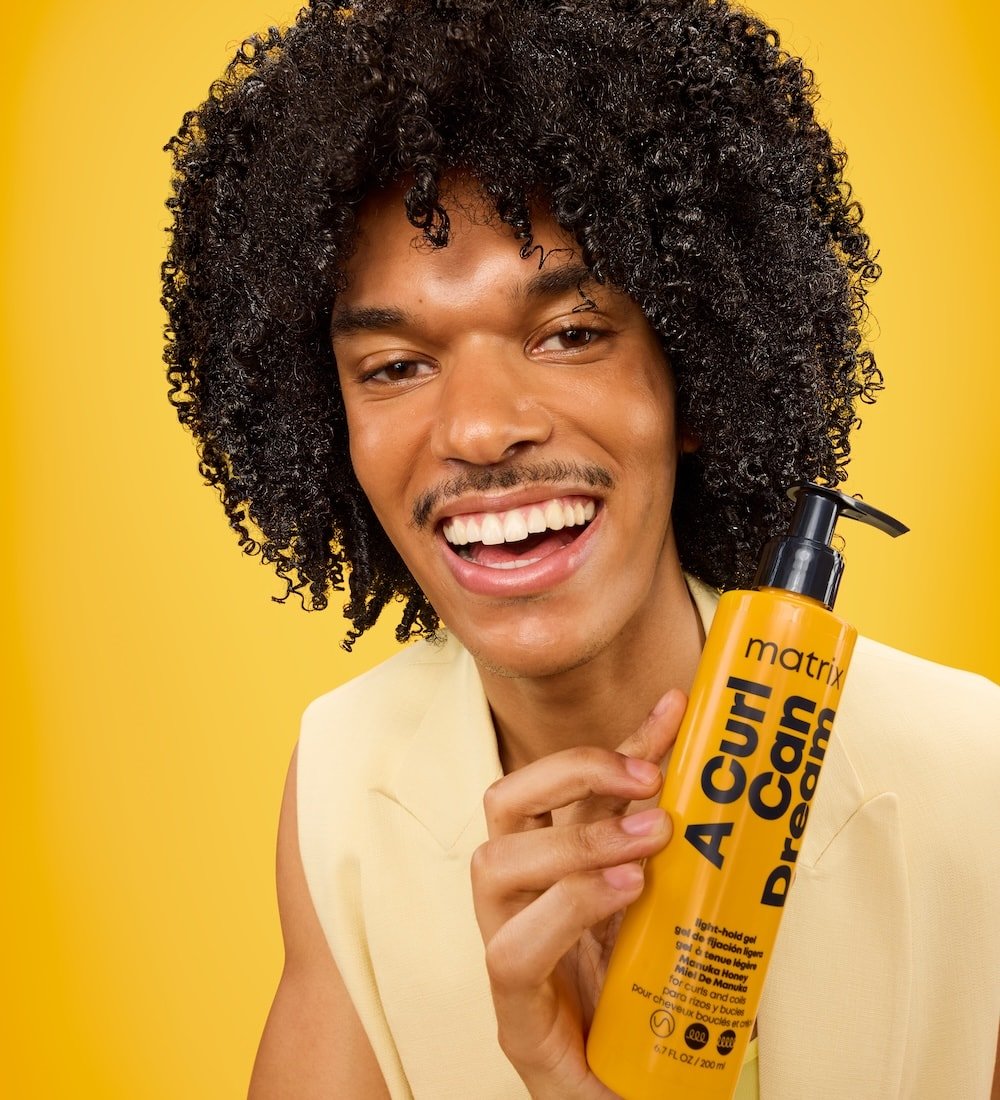
Apply A Curl Can Dream Moisturizing Cream to soaking-wet hair from root to tip, sectioning as you go. Use praying hands or scrunching to encourage definition. This cream is designed to define all curly + coily patterns, as well as add hydration + moisture benefits to the hair. Follow with Light Hold Gel and a few drops of Lightweight Oil. This defining hair gel layers perfectly over A Curl Can Dream Moisturizing Cream, without flaking or crunch and lightweight oil is the perfect finisher to separate out curls and add shine. Air-dry, or diffuse on low heat for the first 15 to 20 minutes. Once fully dry, gently scrunch to break the cast and reveal soft, defined curls and coils.
Dry and Damaged Hair
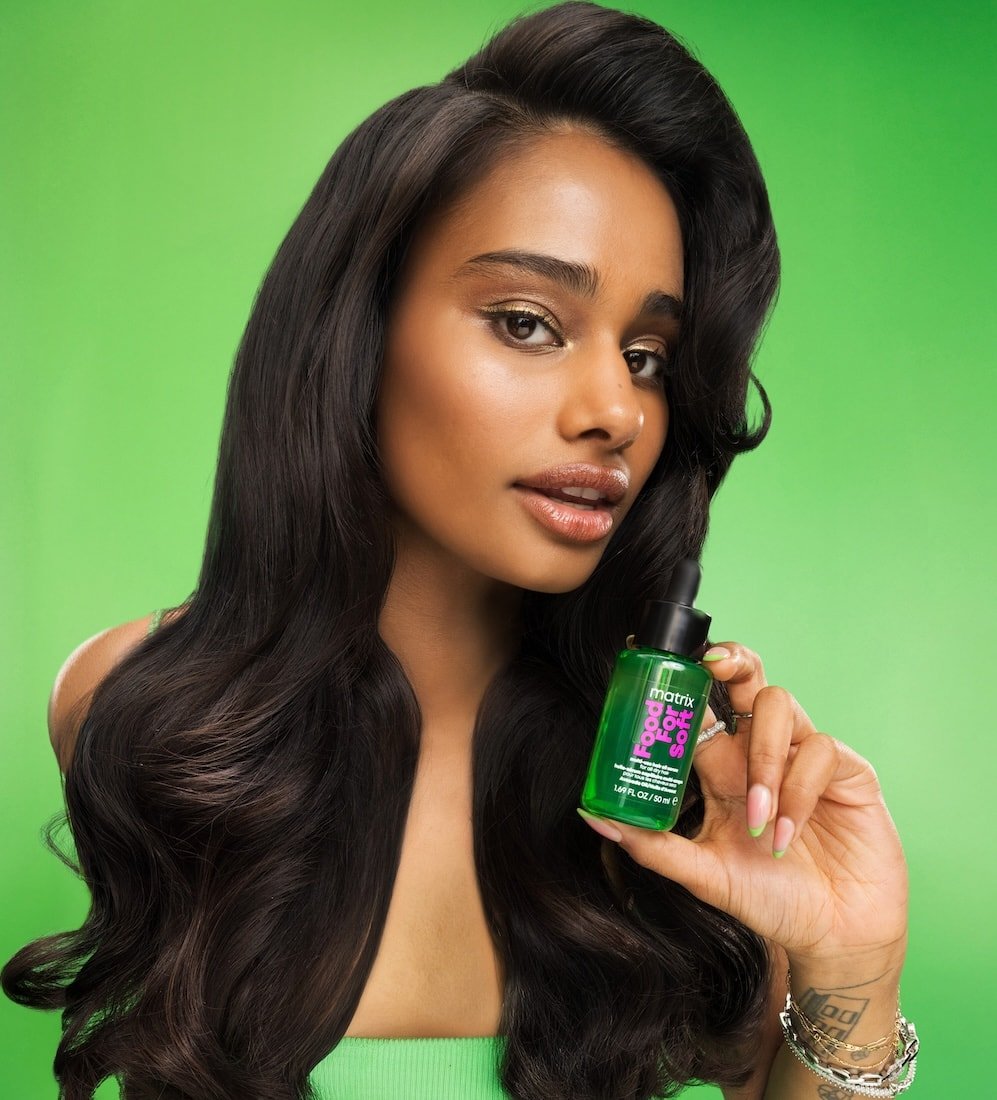
Squeeze excess water with a microfiber towel, then work Food For Soft Multi-Use Hair Oil Serum through mid-lengths to ends. Pair with a leave-in suited to your pattern, then run the hybrid dry method. Avocado oil and hyaluronic acid in the serum lock in moisture without weight.
Air-drying is not the no-damage option it looks like, and the right answer for dry or damaged hair is rarely "all air, all the time." The hybrid 80/20 method protects the cuticle and the internal fiber together, especially when paired with a pattern-matched leave-in and a heat protectant for the lengths. A Matrix stylist can prescribe the drying technique and the product layering that match the specific hair pattern, density, and damage level.
When to Book a Professional Consultation
To discover more about drying dry or damaged hair, schedule an appointment with a professional Matrix hair stylist for a one-on-one consultation. Our professional hair stylists will offer tailored advice and expert tips on the drying technique and product layering that match your hair.
Find a Matrix salon near you to book a drying-technique consultation.
Next: How to Dry Your Hair Without Heat or Frizz: Towel, Microfiber, and Air-Dry Tips. Learn about Matrix’s uncomplicated tips you need to air-dry with confidence and reveal your most vibrant hair yet!