A Routine for Dry Ends and Oily Roots: Why Roots Get Oily, Ends Get Dry, and How to Fix Both

- Key Takeaways:
- Dry ends and oily roots happen because the scalp produces sebum and the ends do not, and the natural oils don't travel all the way down on longer hair.
- Most wash routines apply every product to the whole head, which is what makes the imbalance worse over time.
- A zoned routine cleanses the scalp with a focused shampoo (and an occasional clarifying wash when buildup is high) while hydrating the lengths with Food For Soft.
- The Food For Soft Multi-Use Hair Oil Serum is the single most useful product in this routine: a few drops on damp mid-lengths and ends, never the scalp.
Quick Answer
Treat the scalp and the lengths as two different jobs. Cleanse the scalp on its own with a focused shampoo, condition only mid-lengths to ends, and apply masks, oils, and leave-ins from the ears down. The same wash, two different applications.
Dry ends and oily roots is one of the most common wash-day frustrations, and it is also one of the most fixable. The trick is to stop treating the hair as a single surface. The scalp produces sebum and needs gentle, regular cleansing. The mid-lengths and ends are older fiber that produces nothing, takes the most wear, and needs hydration. The same routine that flattens an oily root by lunchtime can leave the ends parched, and the same mask that softens the ends can weigh the roots into a slick. A zoned routine solves both.
Why the Scalp and Ends Behave So Differently
The scalp and the ends are different tissue at different ages. The scalp is alive, producing sebum from sebaceous glands. The lengths are dead keratin, produced months or years ago and unable to renew themselves.
Sebum is the natural oil the scalp releases to keep skin healthy and to coat the hair shaft as it emerges. On short hair, sebum reaches the ends fairly quickly. On longer hair, gravity, friction, and styling habits prevent the oil from traveling all the way down, which is why the roots can feel slick by the second day while the ends feel like straw. Color treatment, heat styling, and chemical processing accelerate the gap because they damage the oldest sections most, raising porosity at the ends while leaving the freshly grown roots near the scalp untouched.
The fix is not to wash more (which dries the ends further and stimulates the scalp to compensate by producing more oil) or to skip washing (which extends the oil cycle and stresses the scalp). The fix is to apply the right product to the right zone.
Where to Place Each Product
A zoned routine treats every product as scalp-zone or length-zone, not both. The simple mental model: cleansing happens at the scalp, hydration happens at the lengths.
Key factors contributing to frizzy hair:
- Scalp zone (top of head to about an inch down): shampoo, occasional clarifying shampoo, scalp serums, dry shampoo on non-wash days. Massage in, let lather rinse through to the lengths.
- Mid-length zone (from the chin or ears down to the shoulders, depending on hair length): conditioner, leave-in, daily styling product.
- End zone (from the shoulders down, or the last 3–4 inches on any length): mask, oil serum, intensive treatments, end-sealers.
- Skip the top half-inch of the lengths near the roots when applying any cream, mask, or oil. That margin keeps the routine clean. The lengths get the moisture, the scalp gets the breathing room.
Cleansing the Scalp Without Drying the Ends
Scalp-focused cleansing is the foundation of the routine. The scalp wants attention; the lengths want to be left alone.
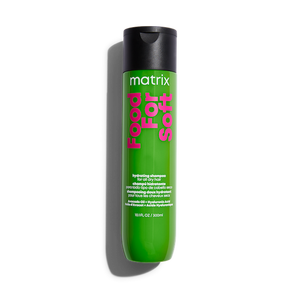
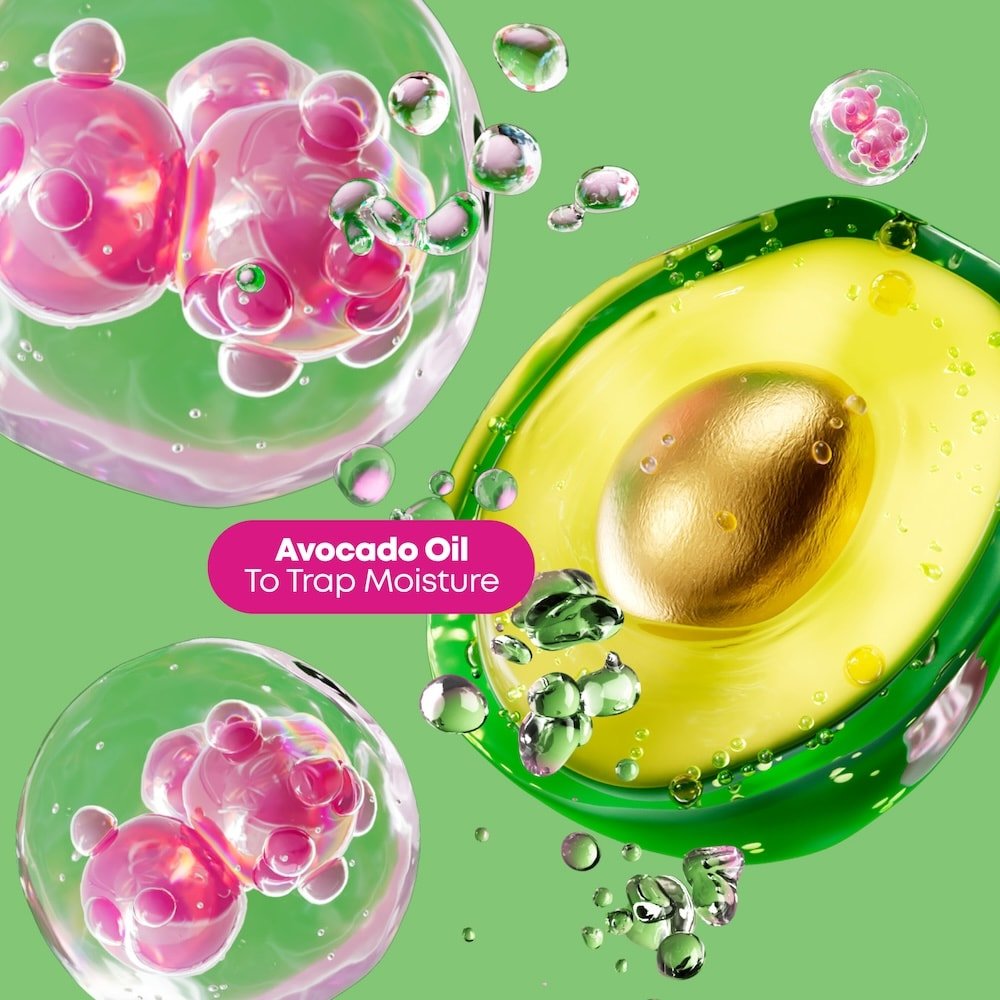
On most wash days, Food For Soft Hydrating Shampoo is the standard. It cleanses gently with hyaluronic acid and avocado oil for moisture support, so even when shampoo passes through the lengths during rinse-off, it does not strip what the ends need.
When buildup is heavy (product residue, hard-water mineral deposits, post-workout sweat), work in an occasional clarifying wash once every one to two weeks. Apply a clarifying or deep-cleansing shampoo only to the scalp, lather, and let the rinse carry it through. Always follow a clarifying wash with a mask or deep conditioner on the lengths to rebalance.
Massage the scalp with the pads of the fingers, not the nails. The action lifts oil and product without irritating the skin. Aim for 30 to 60 seconds of focused scalp time, then let the shampoo rinse through the lengths on its way down.
Hydrating the Ends Without Touching the Roots
Five common wash-day habits work directly against a zoned routine, accelerating the next day's oil cycle or stripping the moisture the ends already need. Each one is worth correcting first.
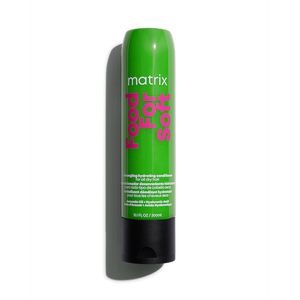
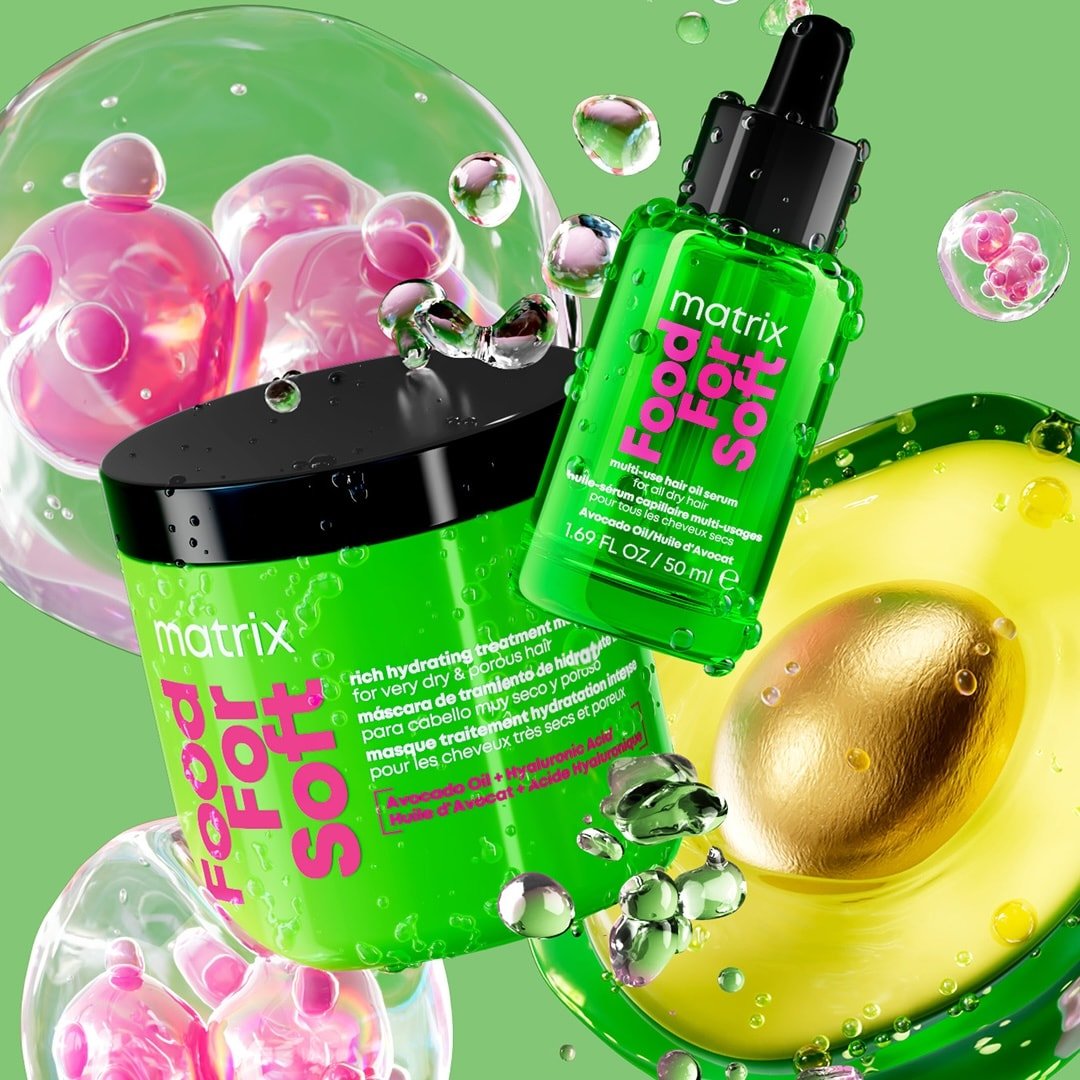
- Food For Soft Hydrating Conditioner is the wash-day default for the lengths. Apply after the shampoo rinse, focus from mid-lengths to ends, leave for two to three minutes, rinse cool. The avocado oil and hyaluronic acid pairing builds the moisture base.
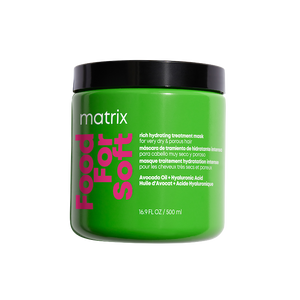
- Food For Soft Rich Hydrating Treatment Mask replaces conditioner once a week. Apply mid-lengths to ends, leave 10 to 20 minutes, rinse. On parched ends, leave the mask on longer (up to the full 20 minutes) and rinse with cool water to seal the cuticle.
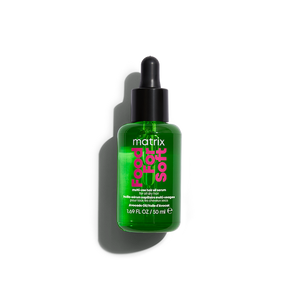
- Food For Soft Multi-Use Hair Oil Serum is the single most flexible product in the lineup. A few drops on damp mid-lengths and ends adds slip, locks in moisture, and provides heat protection up to 450°F. A few more drops on dry ends as a smoother through the week.
Do not apply any of these products to the scalp or the first half-inch of the lengths near the roots. That margin is what keeps the routine working.
What to Avoid: The Habits That Make the Imbalance Worse
Five common wash-day habits work directly against a zoned routine, accelerating the next day's oil cycle or stripping the moisture the ends already need. Each one is worth correcting first.
- Don't apply conditioner or mask to the scalp. It accelerates the next day's oil cycle.
- Don't over-wash. Daily shampooing strips the lengths and trains the scalp to produce more sebum to compensate.
- Don't skip mid-week refresh entirely. A little Food For Soft Multi-Use Hair Oil Serum on dry ends between washes prevents the ends from feeling abandoned.
- Don't pull product through the roots when applying heat tools. Start any styling product an inch or two down.
- Don't rinse with hot water. Cool or lukewarm closes the cuticle on the lengths and reduces frizz; hot water stimulates the scalp and can dry the ends.
Dry ends and oily roots is one of the most fixable wash-day frustrations once the routine stops treating the head as a single surface. The scalp wants gentle cleansing and the occasional clarifying reset. The lengths want hydration that never touches the roots. An occasional clarifying wash handles the buildup; the Food For Soft line handles the moisture; and a Matrix stylist can prescribe how to pace the routine for the specific scalp and length pattern.
When to Book a Professional Consultation
To discover more about balancing dry ends and oily roots, schedule an appointment with a professional Matrix hair stylist for a one-on-one consultation. Our professional hair stylists will offer tailored advice and expert tips on pacing a zoned routine for your scalp and lengths.
Find a Matrix salon near you to book a dry-ends-and-oily-roots consultation.
Next: Best Products For Dry Hair. Dry hair needs specialized care to restore moisture, softness, and vitality. Learn which Matrix products are best for Dry Hair.