High-Porosity Hair: Why Moisture Won’t Stick and How to Fix It

- Key Takeaways:
- High-porosity hair is hair whose cuticle is raised or gapped, so it absorbs water and product quickly but loses moisture just as fast.
- Porosity is usually caused by damage from color, bleach, heat, and friction, though some people are genetically more porous. Damage-driven porosity tends to worsen over time without care.
- The fix is sequence, not volume: a humectant draws moisture in, an oil or cream seals the raised cuticle, and a cool rinse helps the cuticle lie flatter so it holds more.
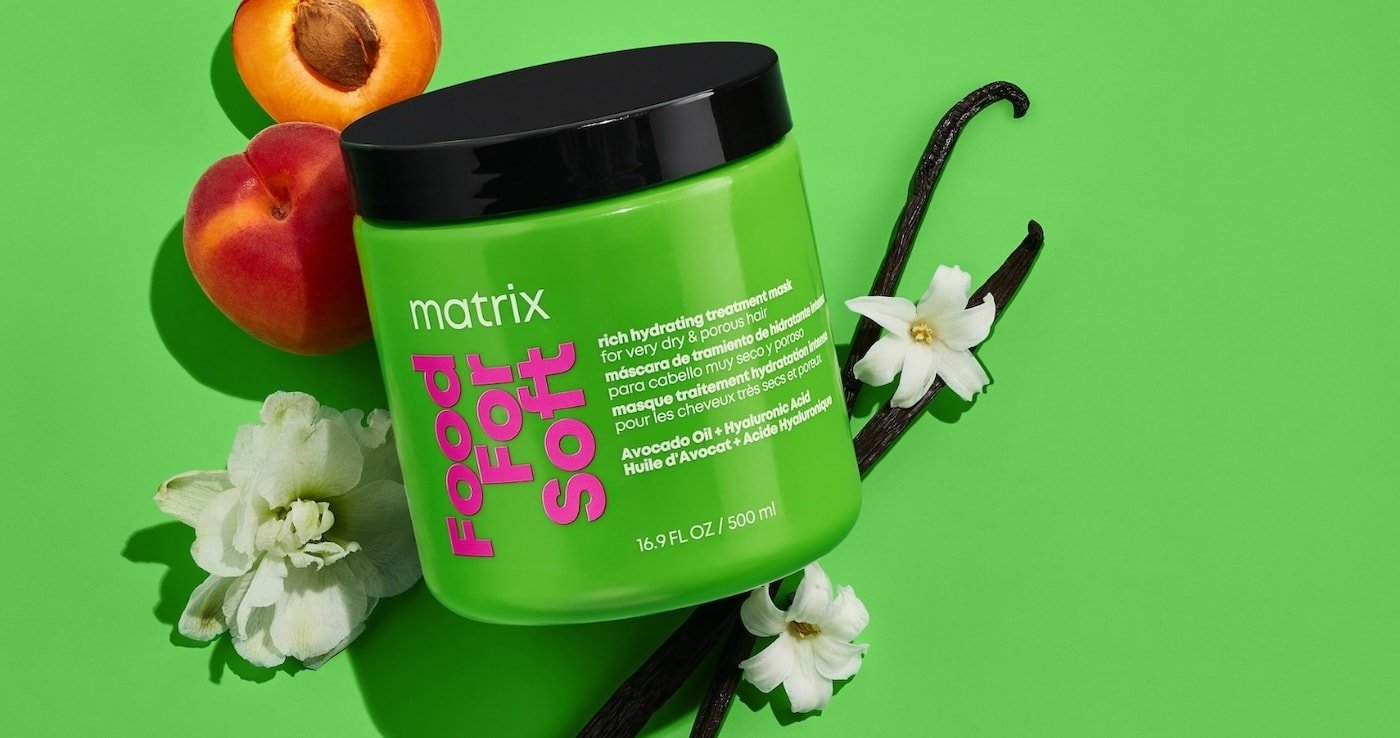
- The Food For Soft system pairs hyaluronic acid to attract moisture with avocado oil to seal it, helping high-porosity hair hold hydration far longer.
- For severely porous or damaged hair, a professional in-salon treatment can repair the cuticle and recommend a routine matched to your porosity.
Quick Answer
High-porosity hair has a raised, gapped cuticle that lets moisture in and out too easily, so it absorbs product fast and loses it just as fast. The fix is to layer hydration with a humectant, then seal it in with an oil, and to repair the cuticle over time so it holds moisture better.
You drench your hair in product, it feels great for an hour, and by midday it is dry again. That fast-in, fast-out pattern is the signature of high-porosity hair. The strand soaks up moisture eagerly but cannot hold it, so nothing seems to last.
High porosity is not damage you have to eliminate; it is a hair trait you manage with the right routine. Once you understand why the moisture leaves, the fix is straightforward: get hydration in, then seal it so it stays.
What High Porosity Actually Means
High-porosity hair is hair with a raised or gapped cuticle layer that allows water and product to pass in and out of the strand too easily, so it neither resists nor retains moisture well.
The cuticle is the strand’s outer layer, made of overlapping scales like shingles on a roof. When those scales lie flat and tight, moisture moves in and out slowly and the strand holds a steady reserve. On high-porosity hair, the scales are lifted or have gaps, so water rushes in (hair wets fast and may feel great briefly) and then rushes back out (it dries fast and feels parched again). The hair is not short on the ability to absorb moisture; it is short on the ability to keep it.
Why Hair Becomes Porous
Hair becomes high-porosity when the cuticle is damaged and lifted, most often from chemical processing, heat, and physical wear, though genetics play a role for some.
The common drivers:
- Color and lightening: these services lift the cuticle to reach the cortex, and repeated processing leaves it raised and gapped.
- Heat styling:high heat degrades the cuticle and the lipids that help it seal, increasing porosity over time.
- Mechanical wear: some hair is naturally more porous, but for most people high porosity is acquired and tends to increase as damage accumulates.
- Genetics: rough towel-drying, tight styling, and friction physically lift and chip the cuticle scales.
This is why high porosity often travels with dryness and breakage: the same damage that raised the cuticle also weakened the strand.
How to Test Your Porosity at Home
A porosity test reveals how readily your hair absorbs and holds water, which tells you whether you are working with high, medium, or low porosity.
- The float test. Drop a clean, dry strand into a glass of room-temperature water. Sinks quickly means likely high-porosity; floats a long time means likely low-porosity; sinks slowly means medium.
- The spray test. Mist a small section with water and watch. If it absorbs almost instantly and feels dry again soon after, that points to high porosity.
- The feel test. Run fingers up a strand from end to root. A rough, bumpy feel signals a raised cuticle and higher porosity.
For a deeper walk-through of porosity types and what each means for your routine, read What Is Hair Porosity and What It Means for Your Hair.
The Routine That Makes Moisture Hold
A routine for high-porosity hair layers hydration and sealing in sequence, and works to flatten and repair the cuticle so the strand holds more over time.
Food For Soft is well-suited here because its hyaluronic acid attracts moisture and its avocado oil seals it, addressing both halves of the porosity problem.
Hydrate from the first step
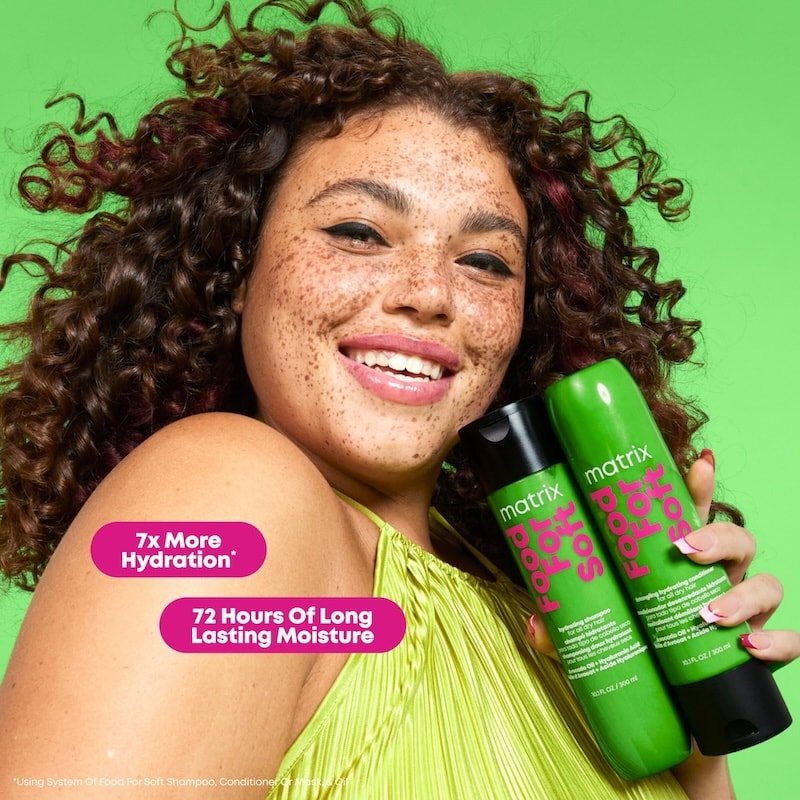
Cleanse with Food For Soft Hydrating Shampoo and follow with Food For Soft Detangling Hydrating Conditioner. Starting hydrated matters more for porous hair, which loses moisture at every step it is left exposed.
Deep-treat to rebuild and hold
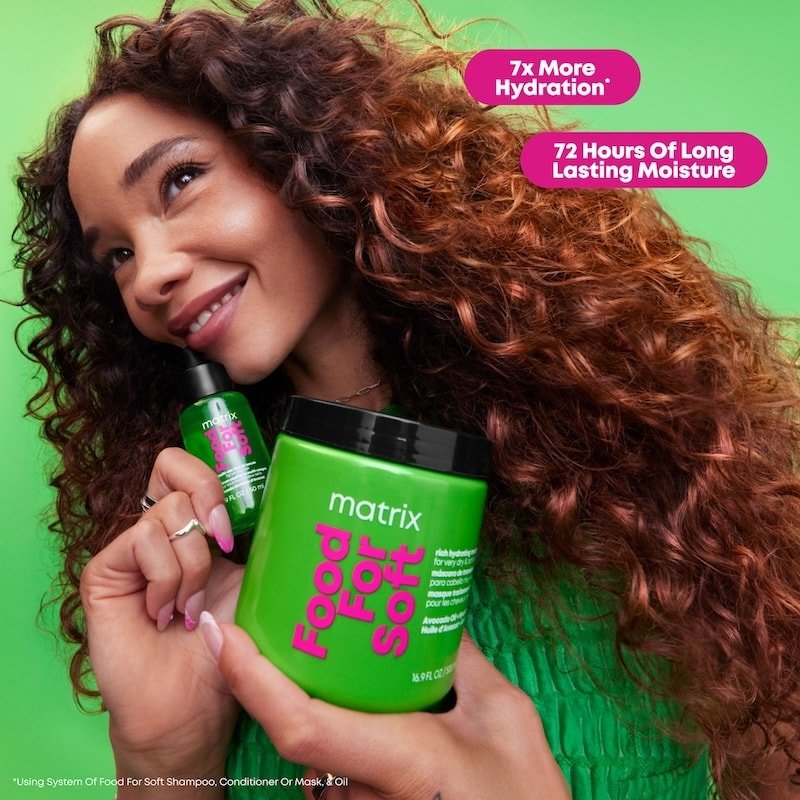
Use Food For Soft Rich Hydrating Treatment Mask once or twice a week. The richer formula gives porous hair a deeper moisture reserve, and a cool-water rinse afterward helps the raised cuticle lie flatter so it retains more.
Seal, because this is the step porous hair cannot skip
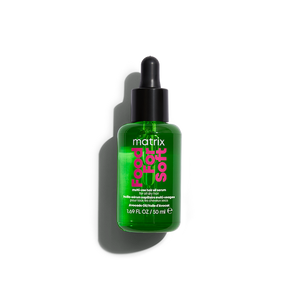
Lock everything in with Food For Soft Multi-Use Hair Oil Serum on damp mid-lengths and ends. For high-porosity hair the seal is non-negotiable: without it, the hydration you just added flows straight back out of the gapped cuticle.
A note on order: hydrate first, seal second. Sealing before hydrating traps a dry strand. And finish wash day with cool water, which encourages the cuticle to flatten and hold.
High porosity is not a verdict on your hair; it is a trait you can plan around. Once you know moisture leaves as fast as it enters, the routine writes itself: draw hydration in, seal it, and protect the cuticle from further damage. Do that consistently and porous hair holds moisture, softness, and shine far better than it did when you were fighting it.
When to Book a Professional Consultation
To discover more about high-porosity hair care, schedule an appointment with a professional Matrix hair stylist for a one-on-one consultation. Our professional hair stylists will offer tailored advice and expert tips on how to moisturize high-porosity hair.
Find a Matrix salon near you to book a professional consultation.
Next: 8 High Porosity Hair Care Tips You Should Know. Here’s everything you need to know about high porosity hair, including signs to look out for and how to treat it like a pro.