Post-Swim Curl Recovery: Repairing Chlorine and Salt Damage


- Key Takeaways:
- Chlorine and salt damage is the dryness, roughness, and weakened structure that builds up when pool and ocean water strip oils and lift the cuticle over repeated exposure.
- Buildup is the first problem to solve: minerals and chlorine residue coat the hair and block moisture, so curls stay dry no matter how much conditioner you use.
- Bleached and highlighted curls are the most vulnerable, because lightening already raised their porosity, so they absorb chemicals faster and lose moisture faster.
- A moisture-rich mask like Food For Soft replaces the hydration swimming strips, while a bond treatment like Instacure Build-A-Bond rebuilds curls that have gone limp or are snapping.
- Recovery works in a sequence: clarify, then re-moisturize, then reinforce, and never skip straight to protein without adding moisture back.
Quick Answer
Recover chlorine- and salt-damaged curls in three moves: clarify to remove mineral and chemical buildup, deep-condition to replace the moisture that swimming stripped, and reinforce bonds if curls have gone limp or are breaking. Lightened or highlighted curls need the gentlest, most moisture-forward version of this because they start more porous.
A summer of swimming leaves curls confused: dry and crunchy in some spots, limp and patternless in others, and thirsty everywhere. Chlorine and salt did that, and if your curls are also lightened or highlighted, they took an even bigger hit. Recovery is not one miracle product, it is a short, deliberate reset that clarifies the buildup, restores moisture, and rebuilds what got weakened.
How Swimming Damages Curls
Chlorine and salt damage is the cumulative drying and structural weakening that happens when pool chemicals and seawater strip the curl’s natural oils and lift its cuticle, leaving it porous, rough, and less springy.
Curls are drier by nature, because their bends slow the natural oils from traveling down the strand. Chlorine and salt make that worse fast: both pull moisture out, and chlorine also strips the protective oil layer while roughing up the cuticle so curls tangle and lose definition. On lightened or highlighted curls the effect compounds, since bleaching already opened the cuticle and raised porosity, so they soak up chlorine faster and leak moisture faster. That is why bleached curls often feel the worst after a swim-heavy stretch.
Step One: Clarify the Buildup
Clarifying is the reset step that removes mineral deposits, chlorine residue, and product buildup that coat the hair and block moisture from getting in.
This is the step people skip, then wonder why their deep conditioner is not working. If minerals and chlorine are sitting on the strand, moisture cannot reach the cortex. A clarifying wash clears that layer so everything after it actually absorbs. Do it once when curls feel coated or after heavy swimming, not daily, since over-clarifying dries curls out on its own.
- Clarify when curls feel coated, waxy, or stubbornly dry: these are signs buildup is blocking moisture.
- Follow immediately with deep moisture: clarifying opens the door, so replace the moisture in the same session.
Step Two: Put the Moisture Back
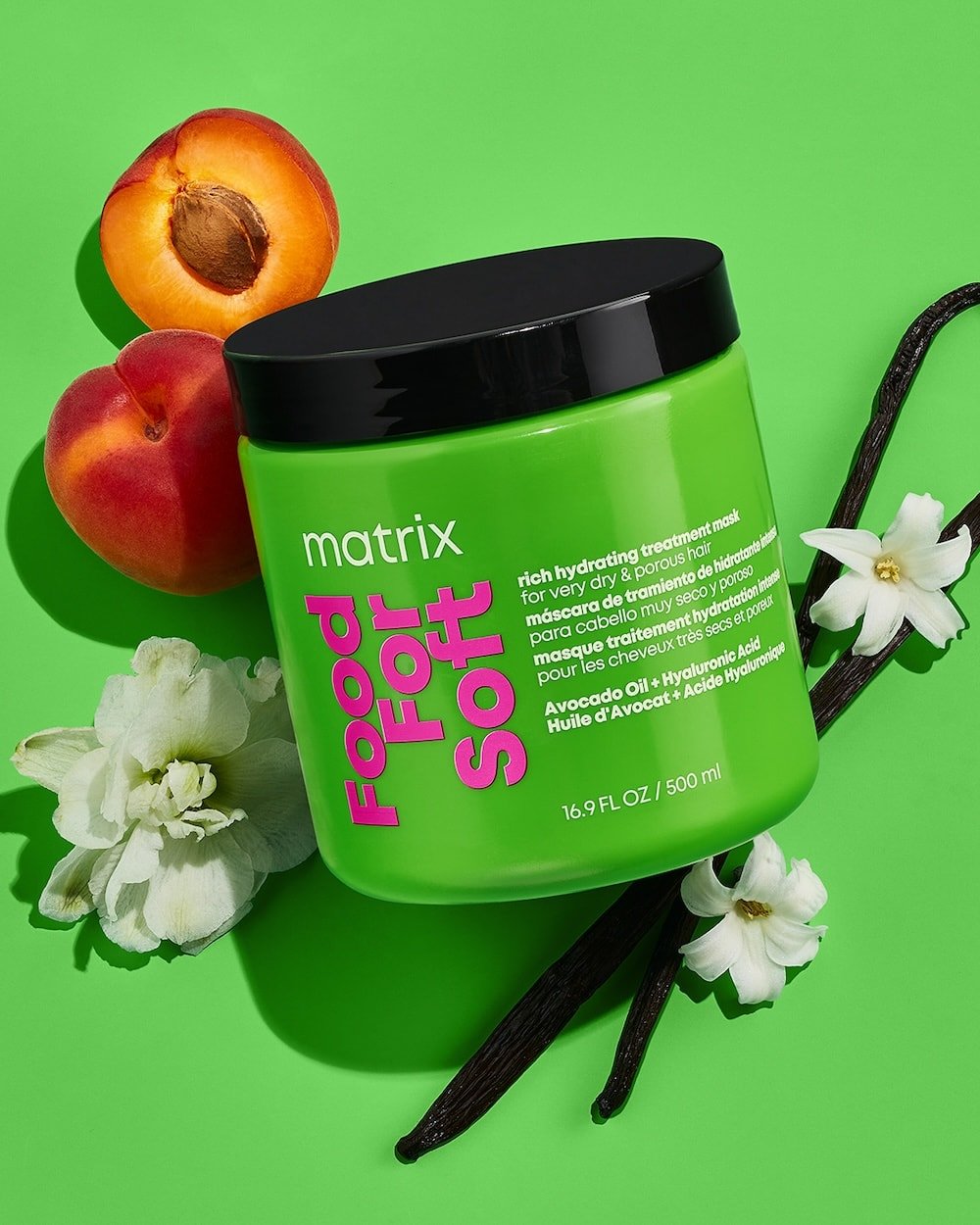
Re-moisturizing is the recovery core: replacing the water and lipids swimming stripped so curls regain softness, slip, and spring.
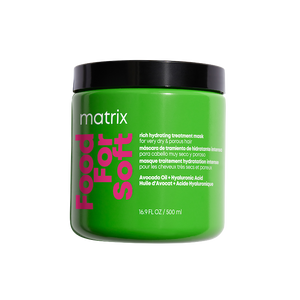
This is where curls come back to life. A rich, moisture-forward mask like Food For Soft Rich Hydrating Treatment Mask, formulated with avocado oil and hyaluronic acid, delivers 7x more moisture for up to 72 hours* to restore what the pool and ocean took.
*using system of Food For Soft shampoo, conditioner or mask & oil
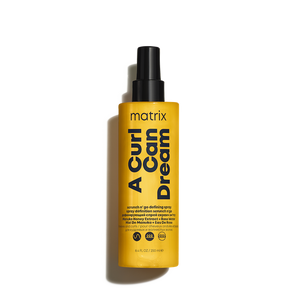
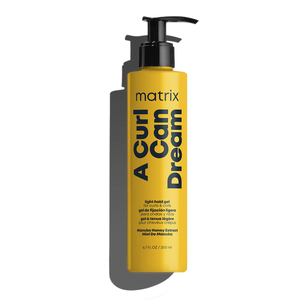
- Deep-condition with a rich mask after clarifying, focusing on mid-lengths and ends where curls are driest. Layer curl-specific moisture. Follow with a curl line like A Curl Can Dream to define and hold the moisture in the curl pattern.
- Seal while damp. Lock the moisture in with a leave-in or light oil before curls dry, so hydration lasts to the next wash.
Step Three: Rebuild Bonds on Weakened or Bleached Curls
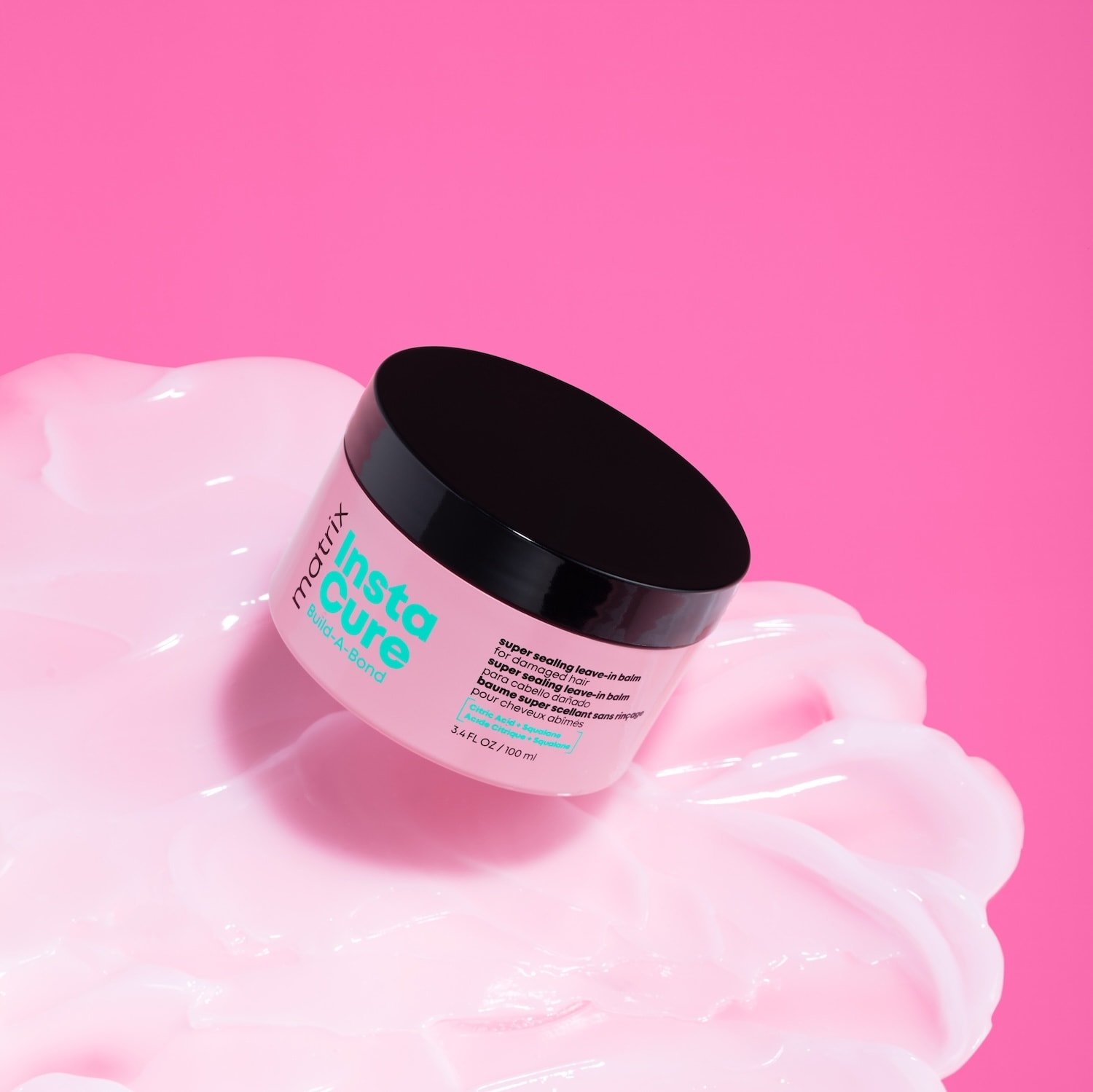
Bond reinforcement is the step that rebuilds the internal structure of curls that have gone limp, stretchy, or breakage-prone, which matters most for bleached and highlighted curls after chemical exposure.
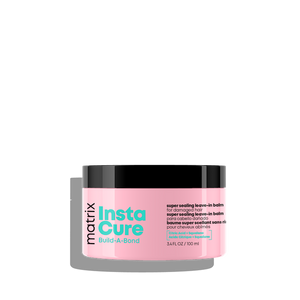
If curls have lost their spring, stretch out without bouncing back, or are snapping, moisture alone will not fix it, because the damage is structural. A bond treatment like Instacure Build-A-Bond Super Sealing Leave-In Balm rebuilds strength from the inside with Citric Acid and amino acids, for hair left up to 8x stronger.* Use it after clarifying, then always follow with moisture so reinforced curls stay flexible, not stiff.
*System of Instacure Build-A-Bond Shampoo, Conditioner, Mask & Balm vs non-conditioning shampoo
Bleached and highlighted curls benefit most here, but they also need the gentlest hand: lead with moisture, use bond support when curls signal weakness, and never end on protein without a moisture layer, or already-porous curls can tip into stiffness.
A summer of swimming does not have to cost you your curl pattern. Recovery is a short, deliberate reset: clarify the buildup, restore moisture, and reinforce bonds only where curls have gone weak. Follow that order, give bleached curls the gentlest version of it, and your curls come back soft, springy, and defined instead of dry and confused.
When to Book a Professional Consultation
To discover more about the best post-swim care for your curls, schedule an appointment with a professional Matrix hair stylist for a one-on-one consultation. Our professional hair stylists will offer tailored advice and expert tips on keeping curls hydrated and damage-free.
Find a Matrix salon near you to book a professional consultation.
Next: Best Masks and Leave-Ins for Dry, Color-Treated Curls. Learn which Matrix’s hair mask or leave-in treatment is best for your curls.
.jpg?w=300&rev=ce1dee29461e44a29bf9e98ccaddc6f7&hash=4B9AFBA5537A0EF0816DC6B0FCFFC8B4)