Hair Bonds 101: Guide to Hair Bond Repair & Bond Building
- In this article:
- What Are Hair Bonds and Why Do They Matter?
- The Different Types of Hair Bonds You Should Know?
- What Breaks Hair Bonds and How To Repair Them
- How To Repair Hair Bonds
- How Does Hair Bond Repair Work?
- Benefits of Bond Building and How to Incorporate It into Your Haircare Routine
- Key Takeaways:
- Hair bonds are tiny connections inside each strand that give hair strength and shape; chemical treatments, heat styling, and environmental factors can break these bonds, causing damage and breakage.
- Bond repair treatments rebuild and strengthen broken bonds from within, using professional salon treatments and specially formulated at-home products to restore hair health and resilience.
- Incorporating bond building into your routine results in stronger, less breakable hair with improved shine and longer-lasting color, allowing you to style boldly while maintaining hair health.
What Are Hair Bonds and Why Do They Matter?
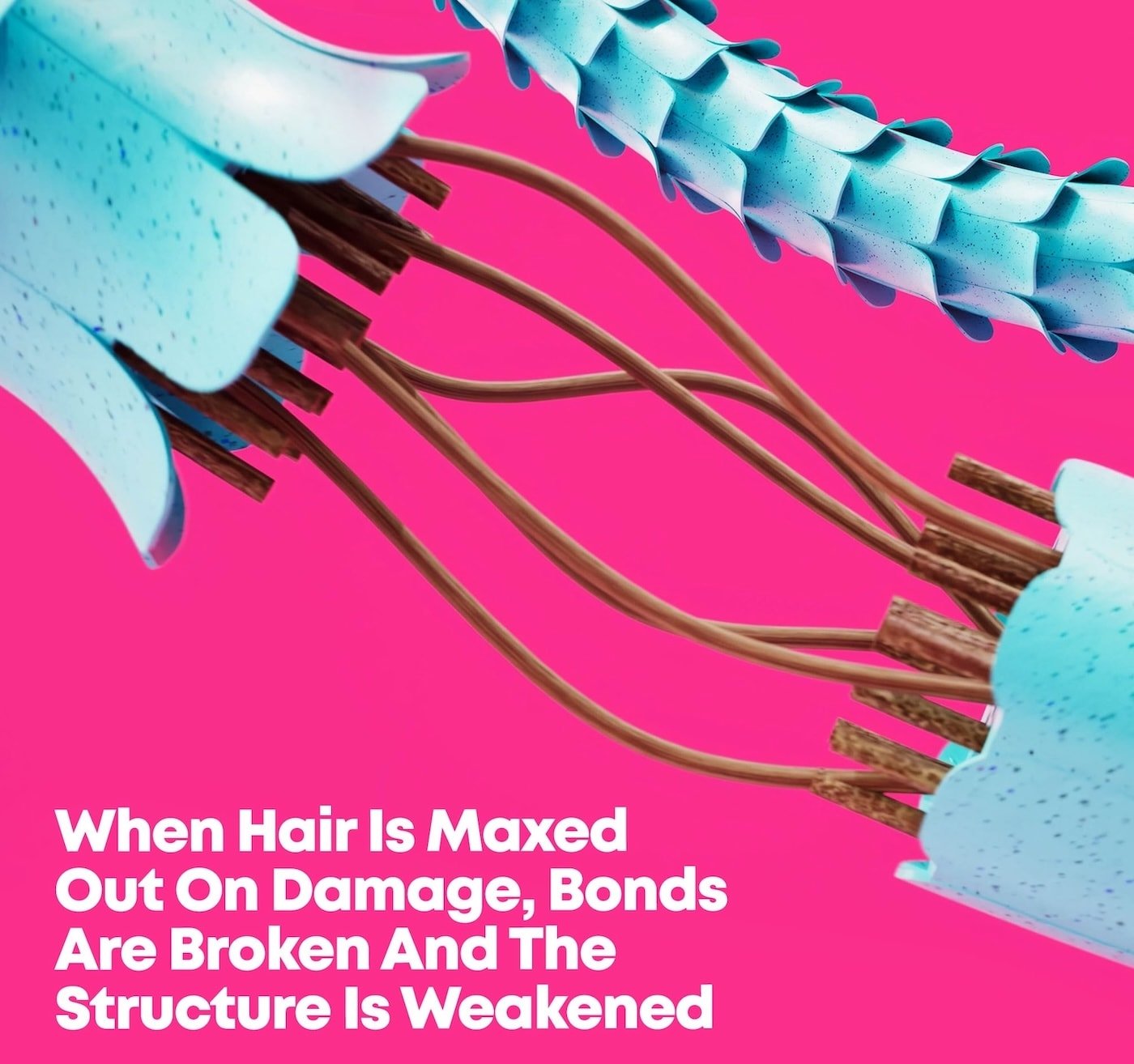
Hair bonds are the invisible building blocks that hold your hair’s structure together. Think of them as tiny connections inside each hair strand that give your hair strength, elasticity, and resilience. When you color, bleach, or style your hair with heat, these bonds can break, leading to damage, breakage, and weakened hair.
That’s why bond building is crucial. By targeting these bonds, bond hair treatments help repair and restore your hair from the inside out. Instead of just addressing damaged strands on the surface, these treatments rebuild the internal structure, leaving your hair stronger and more resistant to future stress.
The Different Types of Hair Bonds You Should Know?
Hair bonds come in several types, each playing a unique role in your hair’s structure:
- Disulfide Bonds: These are the strongest hair bonds, responsible for your hair’s shape and strength. They are formed between sulfur atoms in the protein chains in your hair. When you chemically alter your hair through processes like coloring or perming, these bonds can break, which is why bond repair is so essential.
- Hydrogen Bonds: These bonds give your hair its temporary shape. They are weak and easily broken by water or heat, which is why your hair changes shape when wet and can be styled with heat tools. Though temporary, they contribute to your hair’s everyday flexibility.
- Salt Bonds: Salt bonds (also known as Ionic bonds) help maintain your hair’s moisture balance and overall structure. Like hydrogen bonds, they are weaker and affected by changes in pH, such as when you wash your hair with shampoo or swim in chlorinated water.
Understanding these bonds helps explain why different treatments affect your hair differently and why the right bond hair treatment can make all the difference for lasting hair health.
What Breaks Hair Bonds and How To Repair Them
Hair bonds can break due to several factors, often related to how we treat our hair daily or during salon services:
- Chemical Processes: Coloring, bleaching, relaxing, and perming involve powerful chemicals that break down disulfide bonds to change hair’s structure. Without proper care, this leads to weakened hair.
- Heat Styling: High temperatures from flat irons, curling irons, and blow dryers can weaken hydrogen bonds and cause bond breakage over time.
- Mechanical Damage: Rough brushing, pulling, or excessive washing can stress and break bonds, contributing to hair breakage and split ends.
- Environmental Factors: Sun exposure, pollution, and swimming in chlorinated or salty water can disrupt salt and hydrogen bonds, affecting hair’s health and appearance.
How To Repair Hair Bonds
Repairing hair bonds requires targeted bond-building treatments designed to reconnect broken bonds and restore strength:
- Professional Bond Treatments: Salons offer in-salon bond-building treatments that penetrate deeply to repair disulfide bonds and protect hair during chemical processes.
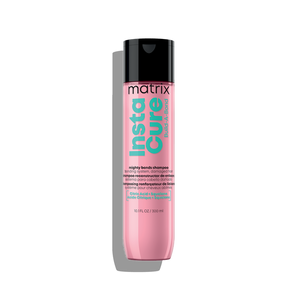
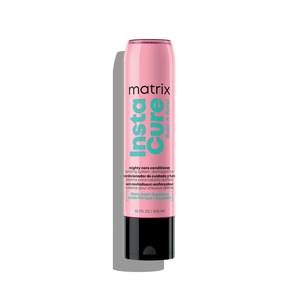
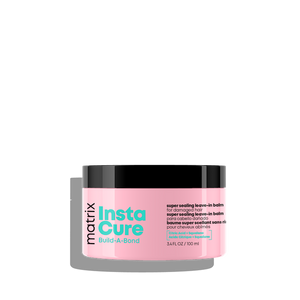
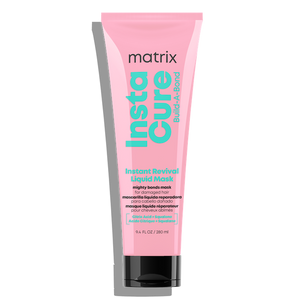
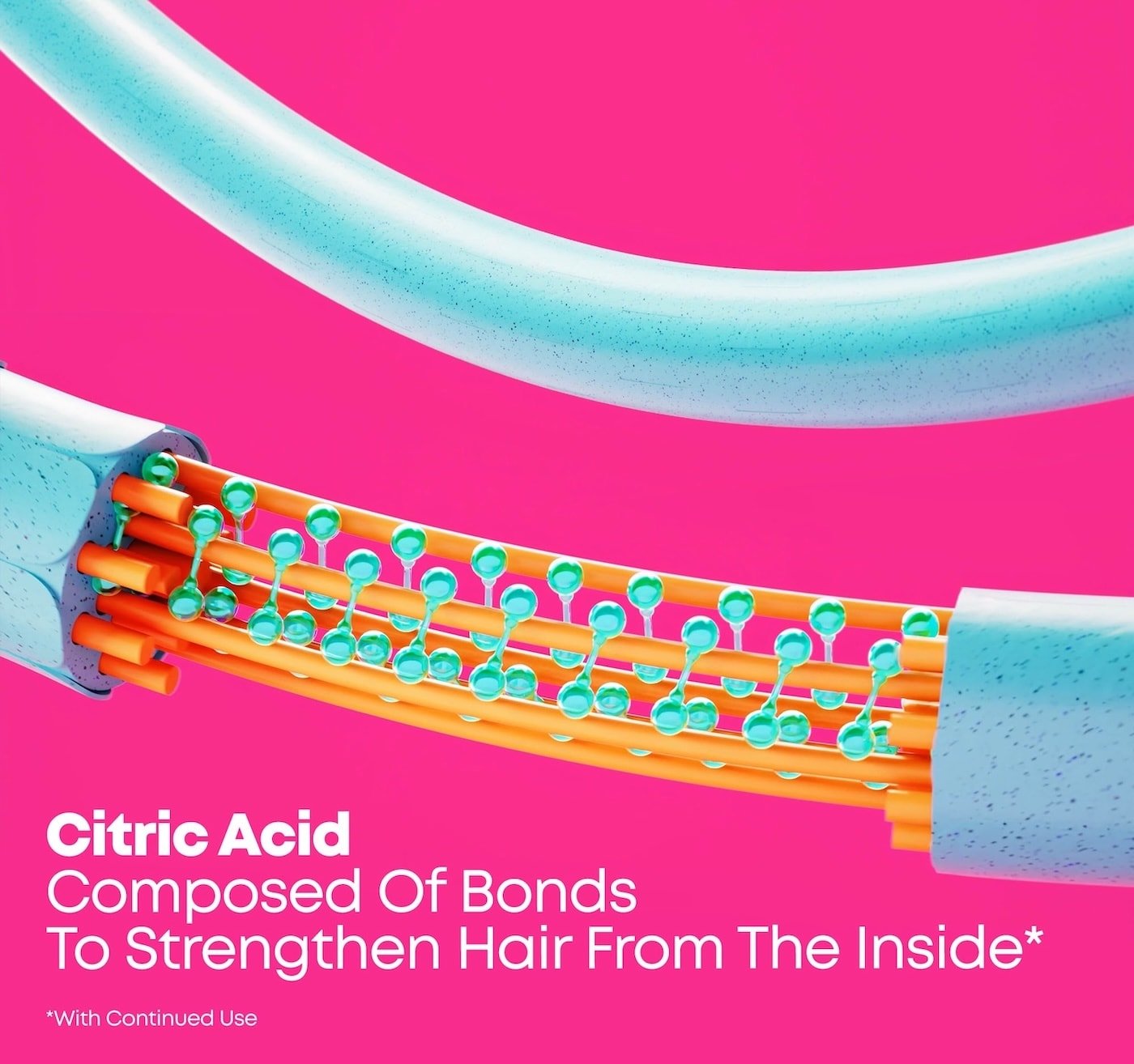
- Bond-Building Products at Home: Using shampoos, conditioners, and masks formulated for bond repair helps maintain and strengthen hair bonds between salon visits. Matrix Instacure Build-A-Bond collection is professionally formulated with citric acid to strengthen damaged hair from the inside & squalane to soften & smooth hair on the outside and reinstate hair slay!
- Gentle Hair Care Practices: Reducing heat styling, avoiding harsh chemicals, and using wide-tooth combs or gentle brushes prevent further bond damage.
By combining professional bond treatments with smart daily care, you can rebuild your hair’s strength and protect it from future damage.
How Does Hair Bond Repair Work?
Hair bond repair works by reconnecting and strengthening the broken bonds inside your hair. Professional bond-building treatments use advanced formulas designed to penetrate deeply into the hair shaft. These treatments fill in the gaps where bonds have been damaged and reinforce hair fibers to prevent further breakage.
The great news? You don’t have to sacrifice style for health. Bond hair treatments empower you to go bold with color or heat styling while still maintaining hair integrity. Plus, using bond repair regularly helps prolong the life of your hair color and keeps your hair looking vibrant and full of life.
Benefits of Bond Building and How to Incorporate It into Your Haircare Routine
Incorporating bond building into your hair care routine is a game-changer for anyone who values healthy, beautiful hair. Here are some benefits you can expect:
- Stronger Hair: Rebuilt bonds mean your hair can withstand daily styling and chemical processes better.
- Less Breakage: Repairs reduce hair snap and split ends, preserving your hair length and thickness.
- Healthier Shine: Restored bonds improve your hair’s natural shine and softness.
- Long-lasting Color: Bond treatments help keep your color fresh by protecting the hair’s internal structure.
To get the most out of bond treatments, look for professional salon services or home care products such as the Matrix Instacure Build-A-Bond shampoo, conditioner and treatments. Using a combination of in-salon treatments and supportive at-home care will give you the best results.
Hair bonds might sound technical, but the science behind them offers a simple truth: your hair’s health depends on protecting and repairing its structure. With bond building and hair bond repair treatments, you can confidently embrace whatever style you desire while keeping your hair strong, radiant, and full of life.