Hair Mask vs Deep Conditioner for Dry, Frizzy Hair: Which Do You Actually Need?
QUICK ANSWER
When it comes to hair mask vs deep conditioner, both are potent hydrators for dry, frizzy hair, but they serve different purposes. A deep conditioner typically offers more frequent moisture support for daily needs, while a hair mask provides a more intensive weekly treatment to reset and deeply nourish. The best choice ultimately depends on your hair's texture, dryness level, frizz intensity, and whether your hair is colored or damaged.
Who This Is For
This guide is your ultimate hair helper if you're navigating the world of intensive treatments for dry, frizzy hair. This article is for you if:
- You have dry, frizzy hair and are unsure whether a hair mask or a deep conditioner is the right treatment.
- You're debating between a richer weekly treatment and more regular moisture support.
- You have fine dry hair and want hydration without the heaviness.
- You have thick frizzy hair or curly hair and need intensive nourishment and hydration.
- You have color-treated dry hair and are looking for softness, vibrancy, and extra care.
What’s the Difference Between a Hair Mask and a Deep Conditioner?
While often used interchangeably, there's a nuanced difference between a hair mask and a deep conditioner that impacts how they benefit your hair.
- Deep Conditioner: A deep conditioner (or intensive conditioner) is essentially a super-powered version of your daily conditioner. It's formulated with a higher concentration of moisturizing and detangling ingredients that penetrate the hair shaft more effectively than a regular conditioner. It's designed for consistent, regular use – often with every wash or a few times a week – to maintain optimal hydration, softness, and manageability.
- Hair Mask: A hair mask is a more potent, intensive treatment designed for weekly or bi-weekly use. Masks typically contain a richer blend of active ingredients, such as proteins, vitamins, and specialized oils, often in higher concentrations. They're formulated to deliver a powerful dose of hydration, repair, or specific benefits (like strengthening or toning) that go beyond daily maintenance.
The key distinction lies in frequency, richness, and treatment intensity. A deep conditioner is for ongoing moisture, while a hair mask is for a more intensive, targeted reset or boost. While some overlap exists, they are not always interchangeable; a mask generally provides a more concentrated "treatment" experience.
When a Deep Conditioner Makes More Sense
A deep conditioner is your everyday hero for consistent moisture and manageability.
- Ongoing Moisture Support: If your hair needs regular hydration to stay soft and smooth, a deep conditioner fits perfectly into your routine.
- Frequent Washers: For those who wash their hair often, a deep conditioner can replenish moisture more regularly without overburdening the hair.
- Fine or Easily Weighed-Down Dry Hair: Deep conditioners tend to be lighter than masks, offering sufficient moisture and detangling without the risk of making fine hair limp.
- Softness & Manageability: When you need consistent softness, slip, and easier detangling without an intensive treatment, a deep conditioner is ideal.
When a Hair Mask Makes More Sense
A hair mask steps in when your hair needs a powerful boost or targeted intervention.
- Thicker, Rougher, Frizz-Prone Hair: Hair that's coarser, has higher porosity, or struggles with persistent frizz often benefits from the richer, more concentrated ingredients in a mask.
- Especially Dry or Porous Hair: When your hair feels brittle, parched, or consistently struggles to retain moisture, a mask provides the intensive hydration it craves.
- Weekly Treatment Routines: Integrate a hair mask into your weekly hair mask routine as a dedicated "treatment day" to address specific concerns like damaged hair, dullness, or severe dryness.
- Intensive Reset: If your hair feels dull, unresponsive, or needs a complete reset, a mask delivers a powerful dose of targeted ingredients.
- Curls or Coils: Hair mask for curly hair is often essential, as textured hair types tend to be naturally drier and benefit immensely from the deep conditioning and definition a mask provides.
What’s Better for Dry, Frizzy Hair by Hair Need?
Let's break down which treatment works best for specific hair needs, answering hair mask or deep conditioner for dry hair based on your unique strands.
Fine dry hair
Fine hair needs hydration without being weighed down.
- Recommendation: Prioritize a lightweight deep conditioner for most wash days. Incorporate a light, multi-benefit hair mask once or twice a month.
- How Often: Deep conditioner 1-3 times a week; hair mask 1-2 times a month.
- Avoid: Over-applying rich masks to the roots; leaving treatments on too long.
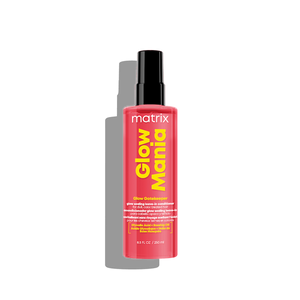
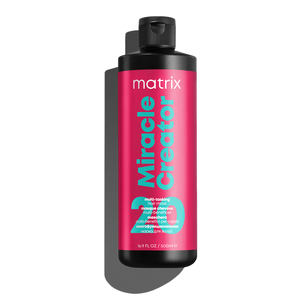
- Matrix Recommendation: For regular use, consider the Glow Mania Glow Sealing Leave-in Conditioner for light moisture and shine without weight. For an occasional intensive boost, the Miracle Creator Multi-Tasking Hair Mask delivers nourishment without heaviness, making it ideal for fine dry hair treatment.
Thick frizzy hair
Thick, frizzy hair can often handle and benefits from richer, more frequent treatments to smooth the cuticle and add moisture.
- Recommendation: A rich deep conditioner can be used regularly, but a smoothing hair mask is often the powerhouse for battling stubborn frizz.
- How Often: Deep conditioner 2-3 times a week; hair mask once a week.
- Avoid: Skipping treatments; not rinsing thoroughly, which can leave residue and worsen frizz.
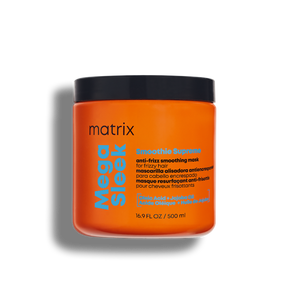
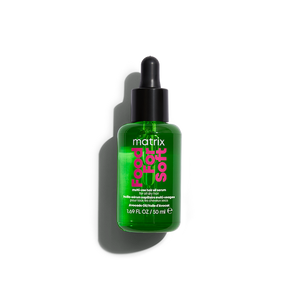
- Matrix Recommendation: For your deep conditioning routine for frizz, the Matrix Mega Sleek Mask 500ML With Smoothie Supreme Mask is a targeted solution for smoothing and controlling frizz. Follow up with Food For Soft Multi-Use Hair Oil Serum for added smoothness, making this the best for frizzy hair mask or conditioner combo for thick hair.
Curly hair
Curly hair is naturally drier and prone to frizz, thriving on consistent, rich hydration.
- Recommendation: Both a hydrating deep conditioner and a rich hair mask for curly hair are essential staples.
- How Often: Deep conditioner with every wash; hair mask once a week.
- Avoid: Lightweight products that don't provide enough moisture; brushing dry curls.
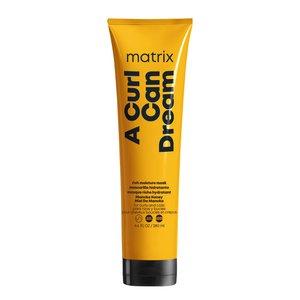
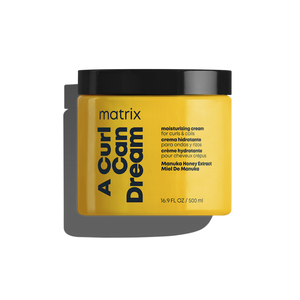
- Matrix Recommendation: The A Curl Can Dream Rich Mask is a must-have for deep hydration and curl preservation, used weekly. For everyday moisture and definition, follow with A Curl Can Dream Moisturizing Cream and A Curl Can Dream Lightweight Oil.
Color-treated dry hair
Color-treated dry hair needs specialized care to maintain vibrancy, prevent fading, and restore hydration and softness.
- Recommendation: A color-safe deep conditioner for regular use, supplemented by a color-protecting and/or toning hair mask weekly.
- How Often: Color-safe deep conditioner 2-3 times a week; hair mask once a week.
- Avoid: Products with sulfates that strip color; excessive heat styling without protectants.
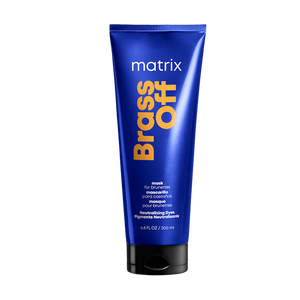
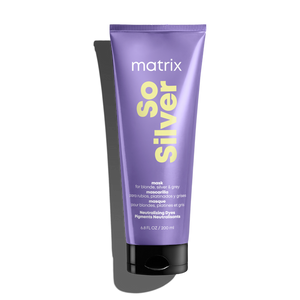
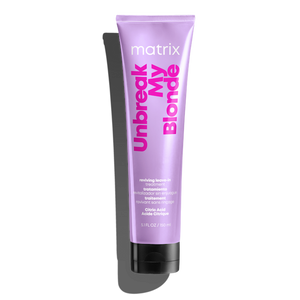
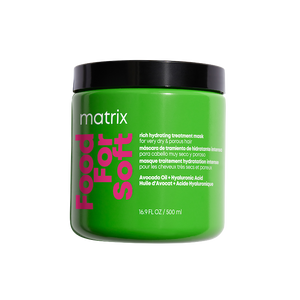
- Matrix Recommendation: For intense hydration and color protection, the Food For Soft Rich Hydrating Treatment Mask is ideal. If your colored hair is blonde, silver, or prone to brassiness, use the Brass Off Masq Custom Neutralization Mask or So Silver Triple Power Toning Hair Mask weekly. Lock in color and moisture with Unbreak My Blondage Reviving Leave-In Treatment or Glow Mania Glow Sealing Leave-in Conditioner. This routine ensures effective conditioner for color-treated dry hair.
How Often to Use a Hair Mask vs Deep Conditioner
Understanding how often to use hair mask vs deep conditioner is crucial for optimal results without product overload.
- Deep Conditioner: Can be used with every wash, 2-4 times a week, especially for dry hair, curly hair, or hair that gets tangled easily. It's about maintaining consistent moisture levels.
- Hair Mask: Typically used once a week. For very damaged hair, extremely dry hair, or highly porous textures, you might increase to twice a week initially, then scale back. For fine or easily weighed-down hair, once or twice a month may be sufficient.
Frequency should always be adjusted based on your hair's individual needs, density, texture, and how it responds. There's no "more is always better" rule; pay attention to what your hair tells you!
Step-by-Step Routine Guidance
Here's how to integrate these treatments into your wash day for maximum benefit.
- Wash Day with a Deep Conditioner: After shampooing, apply your chosen deep conditioner from mid-lengths to ends, leave on for 3-5 minutes, then rinse thoroughly. Follow with any styling products.
- Weekly Mask Day: After shampooing, apply your hair mask generously to damp hair. Leave on for 5-15 minutes (or as directed), then rinse completely. This is your dedicated weekly hair mask routine.
- Using Oil or Leave-in After Treatment: Always follow your rinse-out treatment with a leave-in conditioner or hair oil on damp hair to seal in moisture and provide additional benefits like heat protection, frizz control, or shine. Products like Food For Soft Multi-Use Hair Oil Serum or Billion Bond Oil are perfect.
- Adjusting Routine: If hair feels particularly rough, frizzy, or if you're in a humid climate, opt for richer masks or add an anti-frizz leave-in like Miracle Creator Multi-Tasking Hair Treatment. For color-treated hair, ensure your treatments are color-safe.
Common Mistakes
Avoid these missteps to ensure your hair treatment for dry frizzy hair delivers its best results.
- Using a Rich Mask Every Wash on Fine Hair: This will invariably lead to greasy, limp hair that feels weighed down.
- Expecting a Deep Conditioner to Behave Like a Repair Mask: Deep conditioners maintain, masks intensively treat. Don't rely on a deep conditioner alone for significant repair of damaged hair.
- Using Too Many Rich Products at Once: Over-layering heavy leave-ins, oils, and styling creams can negate the benefits of your mask or conditioner, causing buildup and making hair feel heavy.
- Not Adjusting Treatment Frequency: Sticking rigidly to "once a week" for a mask when your hair is fine and healthy, or "every other wash" for a deep conditioner when your hair is severely dry, won't yield optimal results.
- Choosing Only by Product Label, Not by Hair Behavior: Your hair's response to a product is more important than its category. Listen to what your hair tells you.
- Skipping Post-Wash Support for Frizz-Prone Hair: Treatments are great, but for frizz, a final leave-in or styling product is often necessary to seal the cuticle and provide a barrier.
Best Product Pairings
Matrix offers diverse options to create your perfect hair mask vs deep conditioner routine, addressing dryness, frizz, and specific hair needs.
- For Everyday Moisture & Light Hydration:
- Treatment: Glow Mania Glow Sealing Leave-in Conditioner or Miracle Creator Multi-Tasking Hair Treatment. These offer daily moisture and protection without heavy rinse-out steps.
- For Intensive Hydration & Softness (especially for dry, thick hair):
- Mask: Food For Soft Rich Hydrating Treatment Mask.
- Post-Treatment Support: Food For Soft Multi-Use Hair Oil Serum to seal in the moisture. This is your best moisture treatment for dry hair.
- For Smoothing Frizz & Controlling Unruliness:
- Mask: Matrix Mega Sleek Mask 500ML With Smoothie Supreme Mask.
- Post-Treatment Support: Food For Soft Multi-Use Hair Oil Serum or Billion Bond Oil for added smoothness and shine.
- For Curly & Coily Hair (hydration, definition, and frizz control):
- Mask: A Curl Can Dream Rich Mask.
- Post-Treatment Support: A Curl Can Dream Moisturizing Cream layered with A Curl Can Dream Lightweight Oil.
- For Color-Treated Hair (toning, protection, and softness):
- Mask: Glow Mania Super Gloss Protecting Mask for shine and color protection. For blonde/silver, use Brass Off Masq Custom Neutralization Mask or So Silver Triple Power Toning Hair Mask.
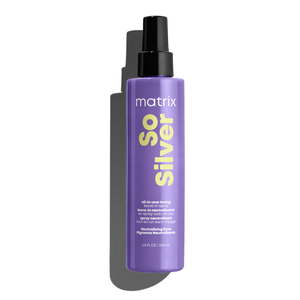
- Leave-in Support: Unbreak My Blondage Reviving Leave-in Treatment, Brass Off All-In-One Toning Leave-in Spray, or So Silver All-In-One Toning Spray for Blonde and Silver Hair for continued care.
- For Damaged or Porous Hair (strengthening and smoothing):
- Treatment: Miracle Creator Multi-Tasking Hair Mask.
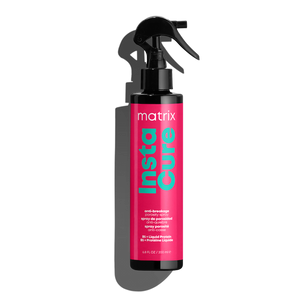
- Post-Treatment Support: Billion Bond Oil and Instacure Anti-Breakage Porosity Spray to strengthen and smooth.
.jpg?w=300&rev=ce1dee29461e44a29bf9e98ccaddc6f7&hash=4B9AFBA5537A0EF0816DC6B0FCFFC8B4)